Fila Photography and the Heritage Sportswear Campaign
Fila photography, as a reference, means Italian tennis heritage meeting 90s street revival. Here is how to build that look: courts, color blocks, direct flash and archive-minded framing.
Heritage sportswear as a visual genre
Fila photography is a useful shorthand for a whole genre of heritage sportswear imagery. Fila is an Italian sportswear brand with deep roots in tennis, and in the mid-2010s heritage sports labels in general rode a wave of 90s nostalgia, with chunky sneakers, track jackets and big logos returning from the archive to the street.
A heritage sportswear campaign has to hold two eras at once. The references are vintage tennis, old sports magazines and 90s music videos, but the audience is contemporary and the images have to feel current on a phone screen. The craft is in quoting the past without making a costume of it.
Start with a research board split into two columns: the original era on one side and the present-day street on the other. Old tournament programs, sports catalog scans and early 90s magazine spreads go on the left; current street casting, sneaker culture and the way people actually wear tracksuits today go on the right. Every setup on the shot list should borrow something from each column.
Tennis-court color and composition
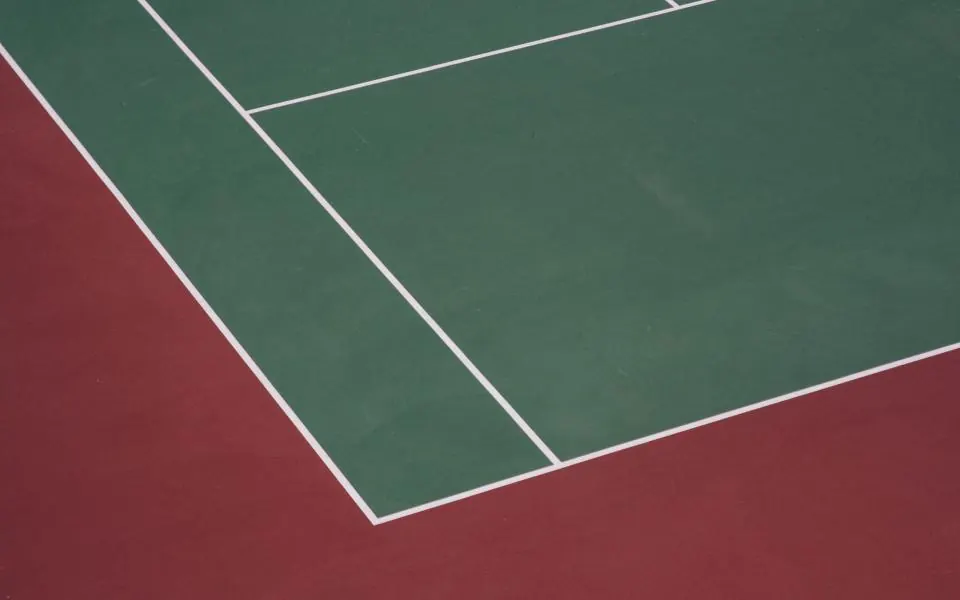
Tennis courts are ready-made sets. Hard courts in Los Angeles come in green and red, blue and green, or faded purple, with crisp white lines that work as graphic leading lines. Public courts at places like Griffith Park, Poinsettia Recreation Center in West Hollywood and the courts along Venice Beach give very different moods, from manicured to sun-bleached.
Shoot high and low. A ladder or a nearby bleacher gives you a top-down view where lines, shadow and a single figure make an almost abstract composition. From the ground with a 24mm or 28mm lens, the net becomes a strong horizontal and the model towers over the frame like an old tournament poster.
Lean on the classic sportswear palette: navy, red and white, with cream and forest green as heritage accents. Keep backgrounds simple enough that the colors read in a thumbnail. A red track jacket against a green court is about as legible as color gets.
Quote the archive, but never let the clothes turn into a costume of the decade they came from.
Building a 90s revival look
The 90s revival look is mostly in light and attitude. Direct, on-camera or near-camera flash, even in daylight, gives the flat, punchy, slightly overexposed look of point-and-shoot snapshots and old skate and music magazines. Drag the shutter at dusk to let ambient color bleed into the frame behind the flash-frozen subject.
Film helps if the budget allows. Portra 400 overexposed by a stop gives warm, creamy skin and bright pastels; Fuji Superia stocks skew green in the shadows in a way that feels distinctly of that decade. On digital, a modest grain layer, slightly lifted blacks and a gentle warm-green split tone get you close without pretending to be something it is not.
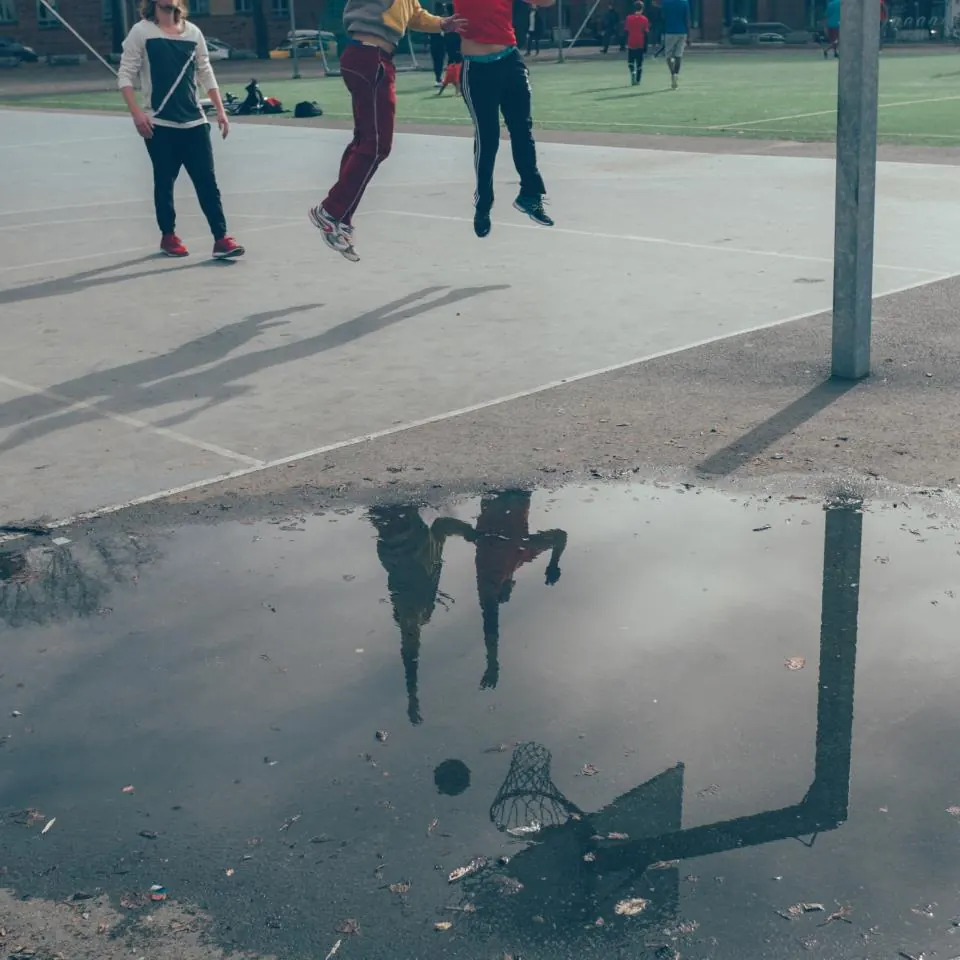
Attitude matters as much as kit. Cast models who look comfortable in oversized fits, direct loose and playful rather than heroic, and let them sit on court benches, bounce balls, lean on fences and look away from the lens.
Respecting the archive
Heritage brands care about their history, and campaign imagery often sits next to archival material in lookbooks and stores. Study vintage sports photography before the shoot: the framing, the grain, the way logos were placed on chests and sleeves. Then decide which elements to borrow and which to update.
Logos need consistent handling. Large chest and sleeve logos are part of the revival look, so make sure they are legible, sharp and unwrinkled in hero frames. Steam garments on set and bring spares of key pieces.
Finally, plan for range. A heritage sportswear campaign will be cut into billboards, store panels, social posts and banner crops. Shoot every setup wide enough to allow vertical and horizontal versions, and leave clean negative space for type in at least a few frames. Strong Fila photography-style work feels like it could hang in a clubhouse or on a bus shelter.