On Set With a Vans Photographer: Pro Skater, Shoe Story, One Day
A vans photographer has to serve two clients at once: the skater trying to land a trick and the footwear team that needs the shoe in focus. Here is how that day is built.
The job in one sentence
A vans photographer working on a Vans-style skate shoe story is there to make a professional skater look good doing real skating while making sure the shoe reads clearly in enough frames to be useful. That sounds simple until you have a skater trying the same trick for the fortieth time as the light drops.
The best shoots are collaborative. The skater knows which spots suit their style and which tricks they can land on the day; the photographer knows which angles show the shoe and where the light will be. The brief from the footwear team sets the boundaries.
Johnny Layton is a professional skateboarder, and a story built around a pro has a different rhythm from a catalog day. The skater sets the pace. The photographer reads it, keeps the kit light and stays ready for the try that works, which can come on the first attempt or the last.
Pre-production and scouting
Scouting starts with the shoe. A low-profile vulcanized shoe in a pale colorway needs a different backdrop than a padded high-top in black. Check the spot at the time of day you plan to shoot; a Silver Lake ledge that is perfect at 4pm can be in full shade by 5.
Build a shot list with three tiers: must-have action frames, on-foot details, and portraits. Share it with the skater the day before. Pros generally have strong opinions on which tricks belong on which spot, and those opinions are usually right.
Logistics are part of scouting too. Note where the van can park, where the nearest restroom is, whether security patrols the spot and how long the walk is from the car with a strobe and stand. A spot that takes twenty minutes to reach eats into the best light.
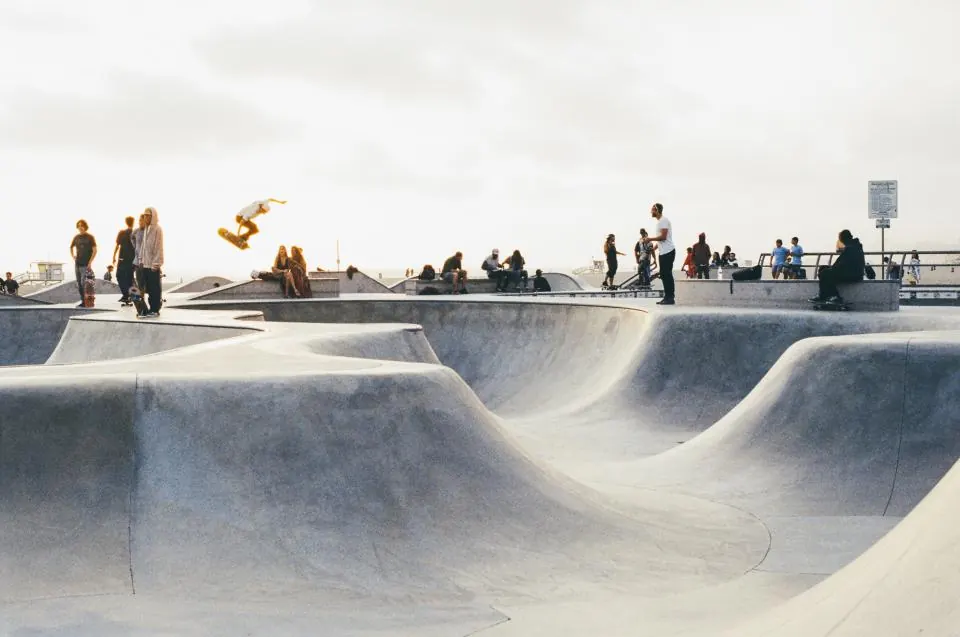
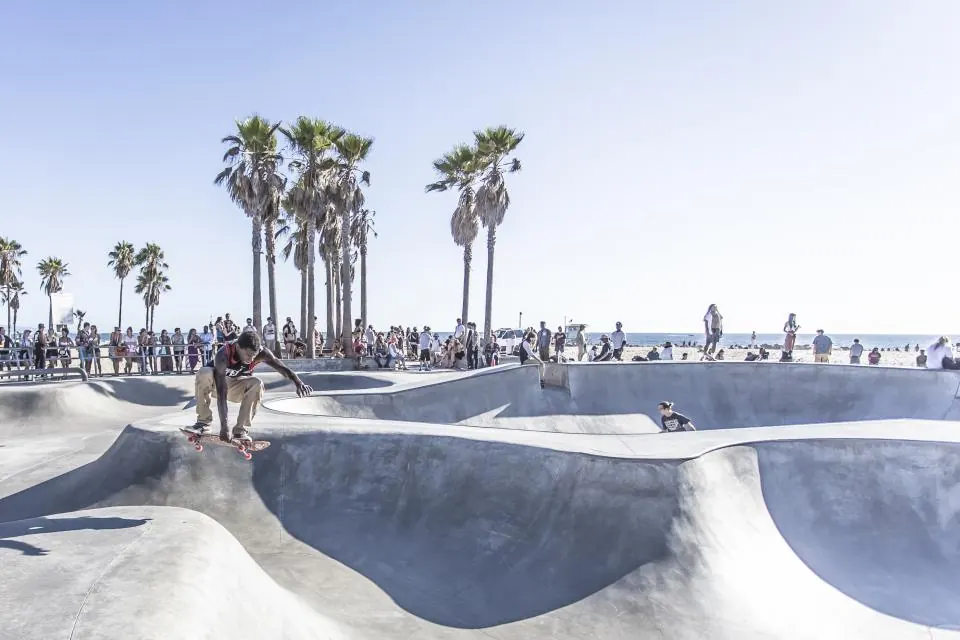
The skater lands the trick; the photographer's job is to make sure the shoe was in the picture when it happened.
Shooting the tricks
For most street spots a vans photographer will carry a fisheye for close work and a short telephoto for the second angle. The fisheye shot needs commitment: you are close enough to get hit, so agree on where you will stand and stay there.
Off-camera flash is standard. A single strobe at 45 degrees to the takeoff, triggered by radio, freezes the feet and separates the skater from a busy background. Shoot burst for the approach and single frames at the peak, since many cameras slow down their burst rate with flash.
Keep a running count of attempts and check in with the skater. Nobody lands a trick faster because the photographer is impatient.
On-foot and detail frames
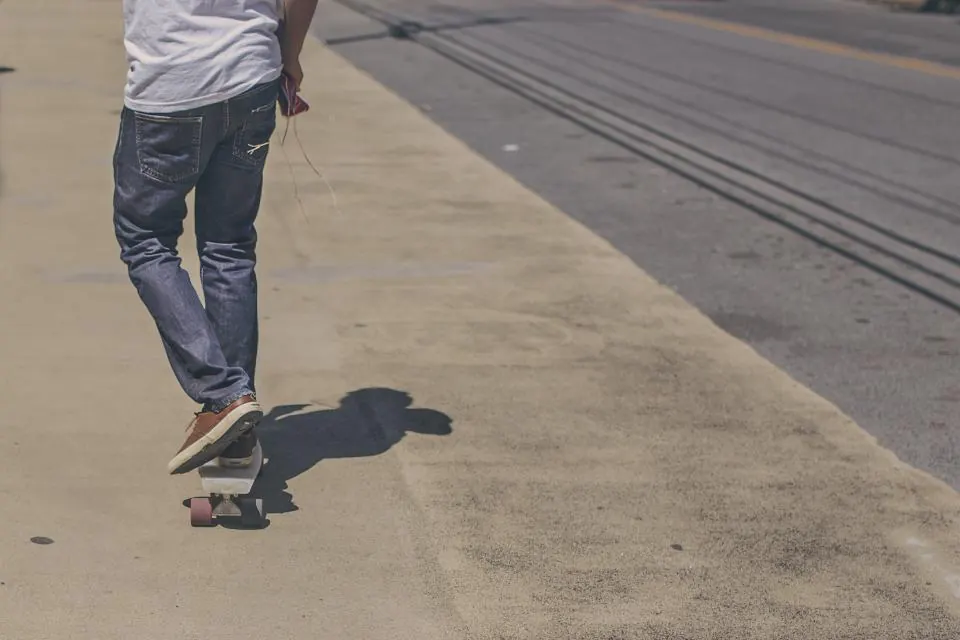
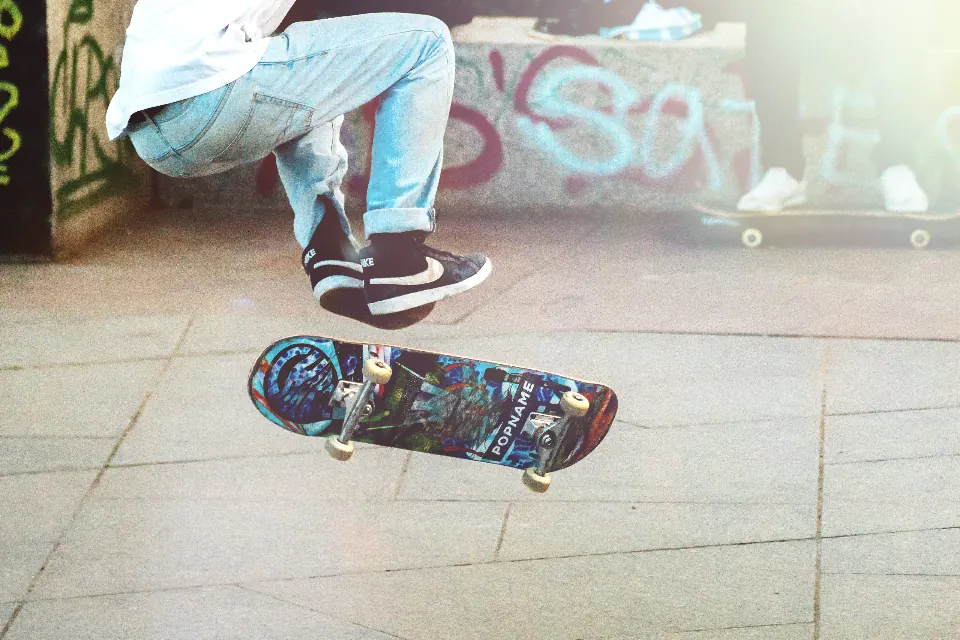
Between tries, grab the details the footwear team will use most: the side stripe or panel against grip tape, the toe dragging during a manual, the heel on a curb. A 50mm macro or a 35mm at close focus works well, with a reflector for fill.
Shoot these after a few warm-up runs so the shoe has real wear on it. A brand-new shoe on a skater looks staged; a slightly broken-in one looks like it belongs.
Ask the footwear team which features matter most for the season. If the story is about a new cupsole or a reinforced ollie area, those are the details to prioritize. A quick list on a phone keeps you from forgetting the one close-up the product manager needed.
Wrapping and delivery
End with a portrait or two while the skater still has energy, ideally at the spot where the hero trick happened. Back up cards on site before leaving.
Delivery for a vans photographer usually means selects within a few days, a sequence or two, and full-res retouched heroes after the brand picks. Keep the grade natural and let the color of the shoe stay accurate; footwear teams check that first.
Include a few frames that do not show the shoe at all: the crew between tries, the skater checking footage, the spot in the late light. They give the story editor room to pace a feature and remind the audience that this was a real day of skating.