Shaun White Oakley Imagery and the Craft of Athlete Eyewear Portraits
The long Shaun White Oakley association is a reminder of how central athletes are to eyewear imagery. Here is how action-sports eyewear portraits are made.
Athletes and eyewear
Shaun White is a professional snowboarder and skateboarder who has long been associated with Oakley, and the Shaun White Oakley pairing is a familiar example of how eyewear brands lean on action-sports athletes. For photographers, this kind of work is a specific discipline: part portrait, part product shot, part sports photography.
The goal is to show a real athlete, with real presence, while making sure a pair of glasses or goggles reads clearly on a face. That is harder than it sounds, because lenses reflect everything around them.
It also requires an understanding of athlete time. Professional athletes often have limited windows between training, travel and competition, so these shoots are usually tightly scheduled. Test lighting and reflections on a stand-in before the athlete arrives.
Controlling reflections
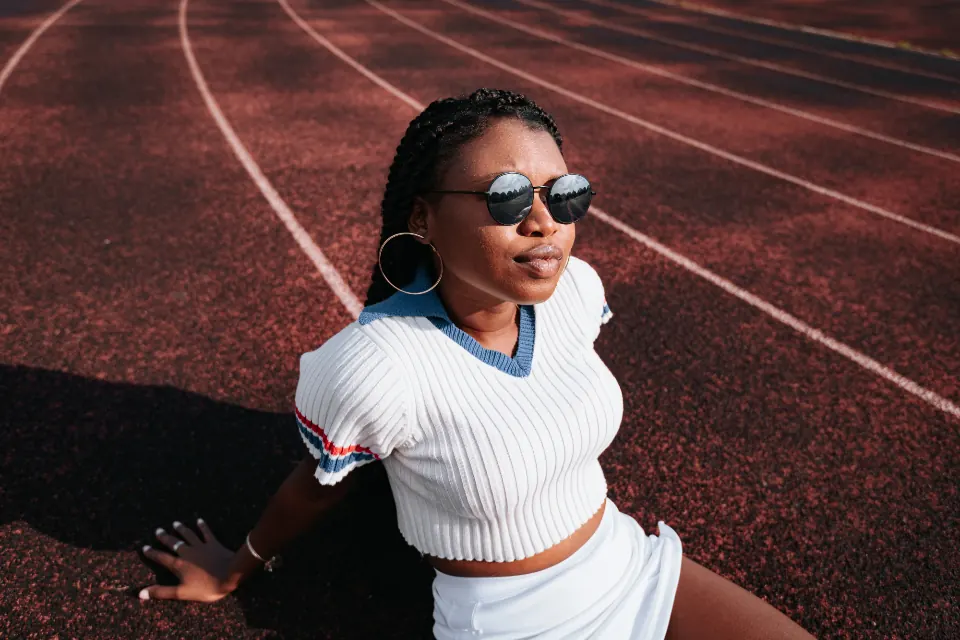
Mirrored and tinted lenses act like small curved mirrors. Every light, reflector and crew member in front of the subject can appear in them. Start by deciding what you want the lenses to show: a clean sky, a hint of the environment, or a controlled highlight.
Large light sources placed high and to the side produce smooth gradients rather than hard hotspots. A polarizer can reduce glare on some lenses, though it may also change how certain polarized lenses look, so test it. Have crew stand behind the camera or out of the reflection angle. Matte black flags on stands can also be placed just out of frame to darken areas of the reflection and add contrast to the lenses.
Small changes in head angle make a big difference. Ask the athlete to tilt their chin a few degrees at a time while you watch the lenses on a tethered screen.
In eyewear work the lenses are always shooting back, so decide early what you want them to see.
Lighting the portrait
A simple setup works: a large octabox as key light, slightly above eye level, with a strip light behind for rim. Outdoors, a single strobe can overpower midday sun to give a punchy, editorial look, while open shade with a reflector gives a softer, natural feel.
Athlete portraits benefit from directness. A 85mm or 105mm lens at f/4 to f/5.6 keeps the eyewear sharp from frame to temple while softening the background. Shoot a few frames without eyewear too, as reference for retouching and for the art director.
Expression is part of the brief. Action-sports athletes are often used to being photographed mid-performance and can feel awkward in still portraits. Give clear, simple direction, keep the conversation going and shoot steadily rather than in bursts; a relaxed subject reads better through tinted lenses.
Action on location
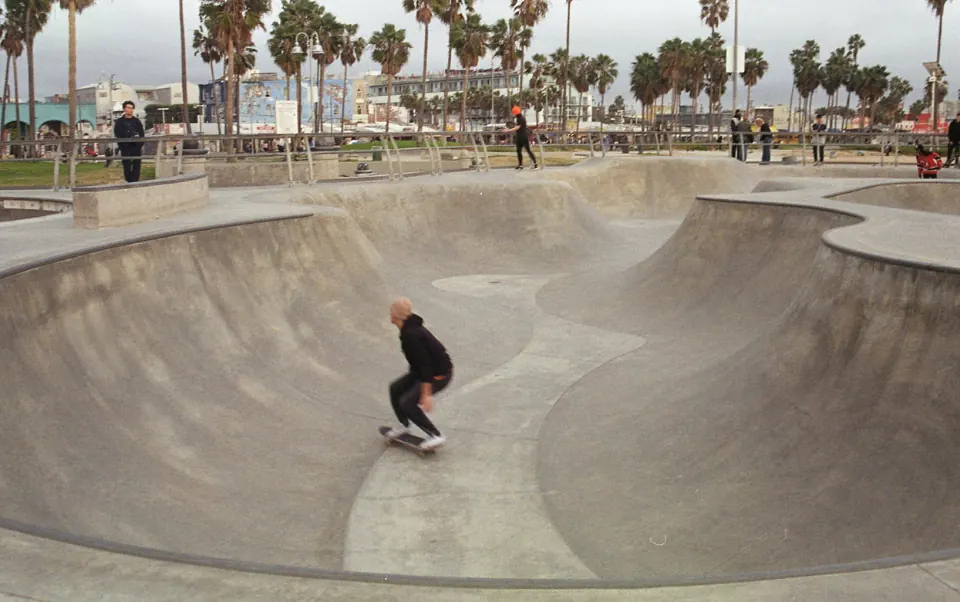
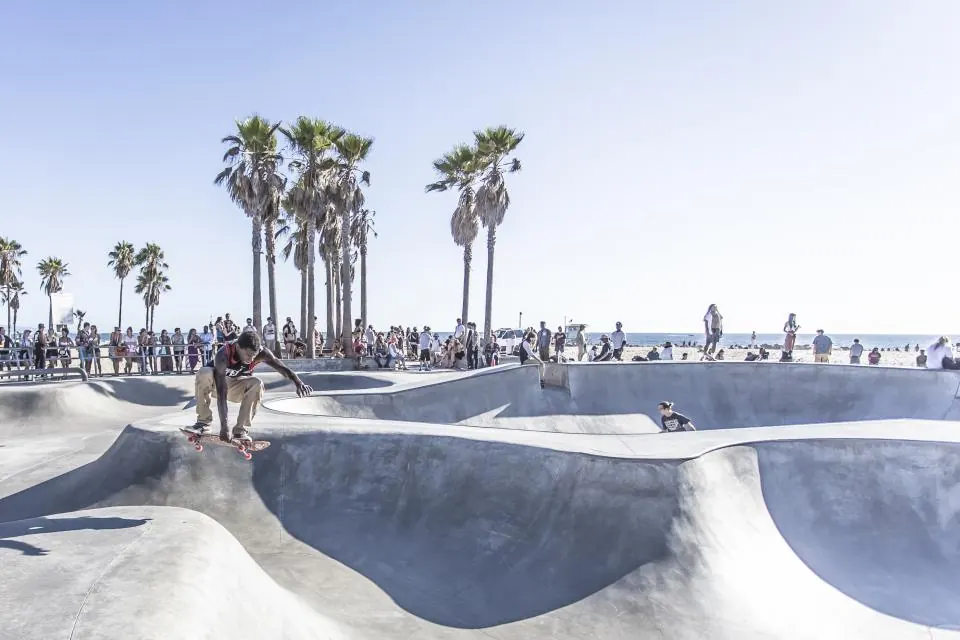
Action frames should show the eyewear in use. For skate, that might be a backside air at Venice Skatepark with flash freezing the moment. For snow, it is mountain work far from LA, though some brand shoots use local bowls or studios for close-up action.
Keep the product legible. At distance, sunglasses become a few pixels, so plan at least one tight action frame with a longer lens where the eyewear is clearly visible.
If you are shooting a skate setup, keep the kit simple: a fisheye and a single speedlight for close work, a 70-200mm for a second angle. Goggles or sunglasses on a skater should be checked between tries, since they slide and fog more than you might expect.
Retouching and delivery
Eyewear retouching is mostly about cleaning reflections: removing stray crew, stands and hotspots, and keeping lens color accurate. Shoot clean plates of the lenses where possible to make this easier.
Deliver a range: hero portraits, action frames, product-on-face details and a few candid moments. Brands use athlete imagery across retail, packaging and social, and each needs a slightly different crop. Include a few wide environmental frames as well, since they give designers room for type and show where the shoot happened.
Brands with long athlete relationships, like the Shaun White Oakley example, typically build an archive across many seasons. Consistent file naming, metadata and color handling make your images easier to reuse in that archive.