Alaska Photography on the Road: Light, Weather and Ice
Alaska photography rewards patience and punishes poor packing. How to plan a road trip around endless summer light, sudden weather, glaciers and cold, with film and digital.
Planning a photo road trip north
Alaska photography is mostly a matter of time and distance. The road network is small for the size of the state, so most road trips work around a loop: Anchorage, the Seward Highway down to the Kenai Peninsula, the Glenn Highway out past Matanuska Glacier and the Parks Highway north toward Denali.
Drive less than you think. The scenery is so constant that it is tempting to keep moving, but the best pictures come from staying put and watching a place change. Build two-night stops into the route and leave whole afternoons unplanned.
Summer and early fall are the usual windows. June brings near-constant daylight, and late August and September bring fall color on the tundra, darker nights and a chance of northern lights.
Long light and weather
In June the sun barely sets in southcentral Alaska, and the golden light that lasts minutes in Los Angeles stretches for hours. Late evening, from 10 p.m. to past midnight, often gives the warmest, lowest light of the day. Plan meals and sleep around it, and carry an eye mask.
Weather changes fast, especially along the coast. A gray morning in Seward can turn to sun within an hour, then back to rain. Overcast skies are good for forests, waterfalls and portraits; storms rolling over the peaks give drama to landscapes. Shoot whatever you get rather than waiting for a perfect day that may not arrive.
A polarizer is essential for cutting glare off water and wet rock, and for deepening skies when the sun does appear. Graduated ND filters or exposure bracketing help with bright skies over dark valleys.
Drive less than you think. The pictures come from staying put and watching a place change.
Glaciers, ice and wildlife
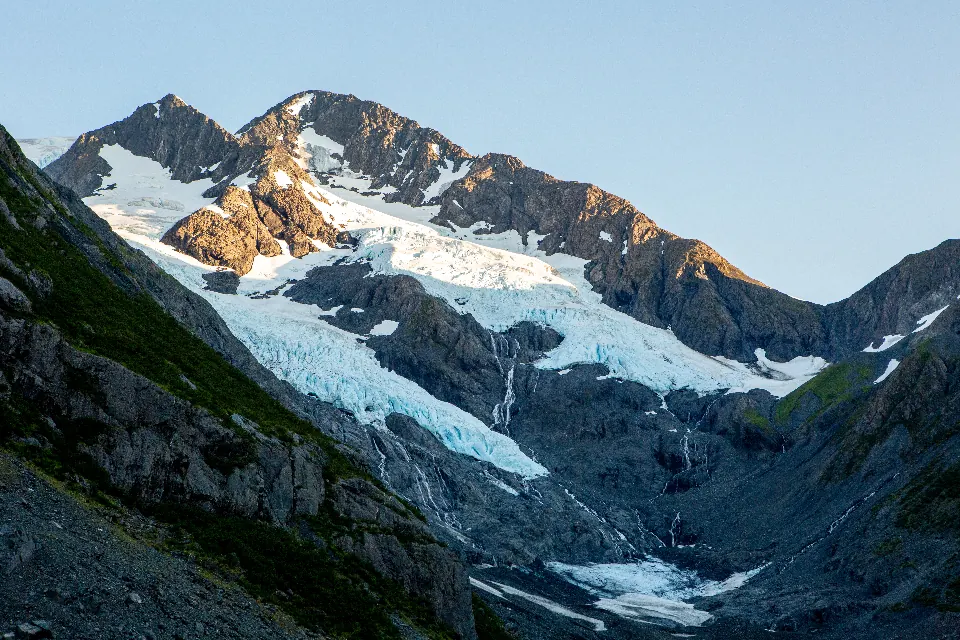
Glaciers are bigger than they look and harder to photograph than they seem. Include something for scale, a person in a red jacket, a boat, a road. Blue ice inside crevasses and at a glacier's face shows best on overcast days, when the light is soft and the color is not washed out by sun.
Some glaciers, like Matanuska and Exit Glacier near Seward, are reachable by road or a short walk, though guided tours are the safe way to get onto the ice itself. Day cruises out of Seward or Whittier get you to tidewater glaciers and marine wildlife.
For wildlife, distance is the rule. A 100-400mm or longer lets you photograph bears, moose and eagles without approaching. Follow park guidelines on minimum distances, stay in vehicles on park roads and never bait or crowd an animal for a picture.
Packing film and digital
Cold, damp and long days are hard on batteries, so carry spares in an inside pocket and swap them often. Bring extra memory cards, a laptop or backup drive and a dry bag for each camera. Condensation is a risk when moving from a cold outdoor shoot into a warm car; seal the camera in a bag first.
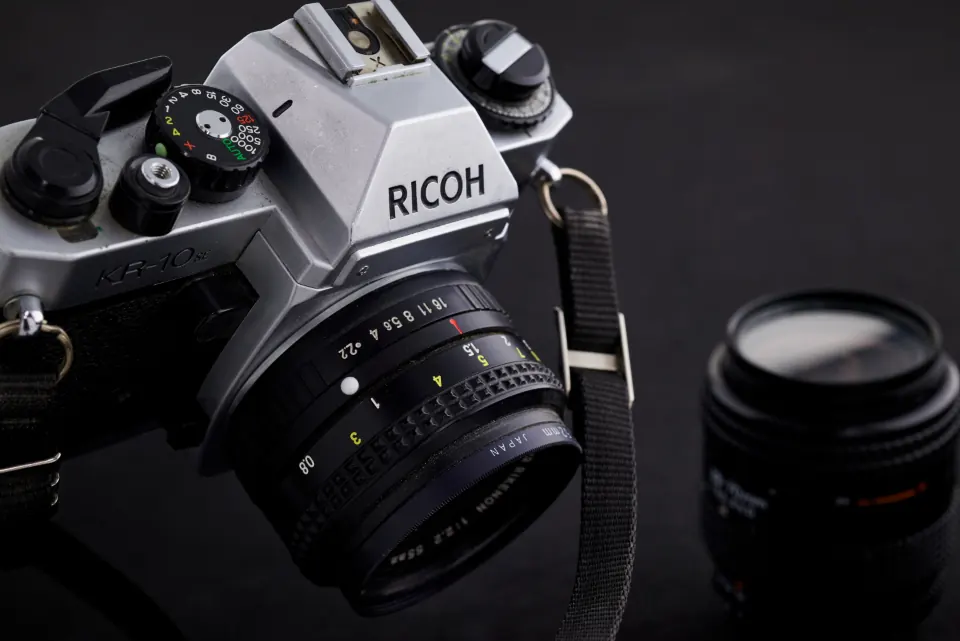
Film works well in Alaska's soft light. Portra 400 handles overcast skies and bright snow, and a medium-format camera slows you down to match the landscape. Pack film in carry-on and ask for a hand check at the airport. Shooting both formats gives you a fast digital record and a slower, more considered set of frames.
Keep a simple log of locations and times. Alaska photography from one long trip can turn into a body of work only if you can remember where each picture was made.
People and small towns
Landscapes dominate most trips north, but the people and towns along the road make a set feel lived in. Fishing harbors in Seward and Homer, roadhouses on the Glenn Highway and gas stations with hand-painted signs all have character that a glacier does not.
Ask before photographing people, especially in small communities where a visitor with a camera stands out. A short conversation at a diner counter or on a dock often leads to the best portrait of the trip, and to tips on where the light will be good tomorrow.
Shoot the road itself too: rain on the windshield, a pullout at midnight, a moose crossing ahead. Those frames tie the trip together.