Building a Lifestyle Photography Book That Feels Real
A strong lifestyle photography book is a story, not a highlight reel. How to cast real people, shoot test stories around Los Angeles and sequence a book buyers remember.
What art buyers look for
A lifestyle photography book has one job: convince an art buyer or creative director that you can make real-feeling pictures of people living their lives, on brief and on time. That means showing a consistent point of view, an ability to direct people who are not professional models and a range of situations that maps onto the clients you want.
It does not mean showing every good picture you have. A book of 40 strong images in a clear voice beats 120 images that wander. Buyers flip quickly, and the book is remembered by its overall feel more than any single frame.
Think about the kind of brands you want to work with and build stories that look like their campaigns, using your own approach rather than copying theirs.
Casting real people
Lifestyle work lives or dies on casting. Real friends, real families and real couples carry an ease that hired models often cannot fake. Street casting in Echo Park, Venice or the Arts District, or casting through friends of friends, brings in faces with character.
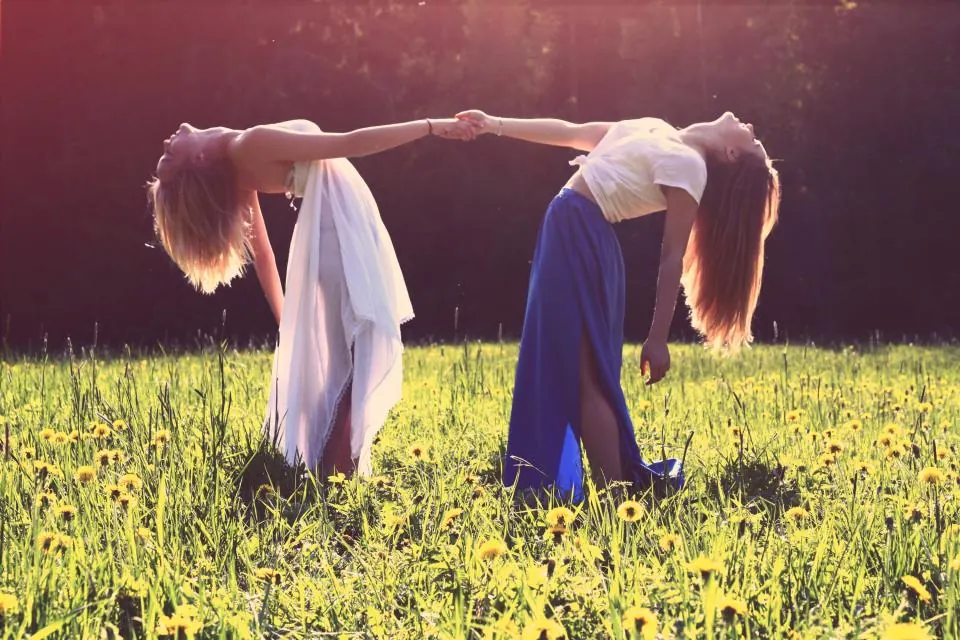
Cast groups, not individuals. Lifestyle pictures are often about relationships, and the chemistry between people matters more than any single face. Bring people who already know each other: a group of roommates, a running crew, a family who cooks together.
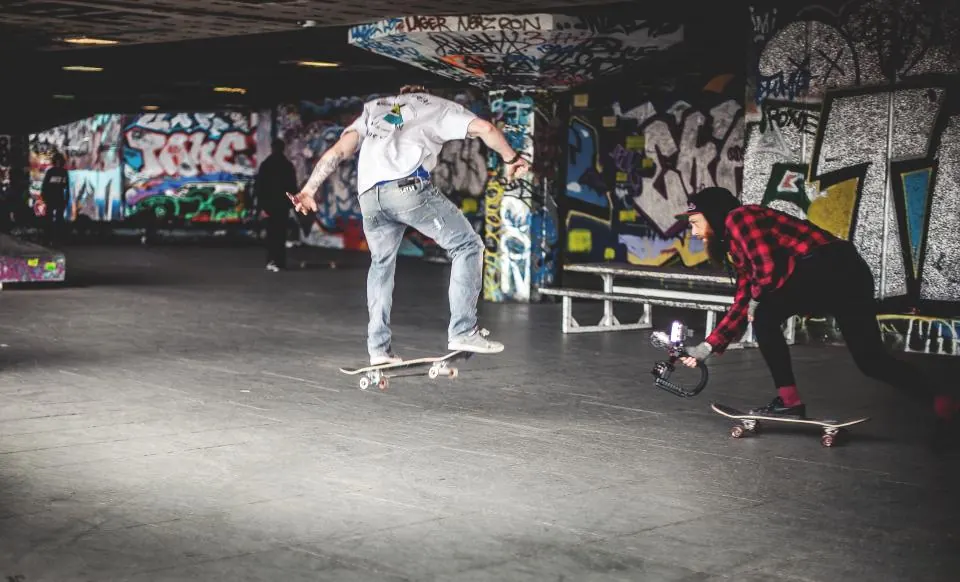
Give them something to do. A barbecue in a Highland Park backyard, a drive up the coast, a game of basketball at a Venice court. Activity creates real gestures and real laughter, and your job becomes catching it rather than inventing it.
A book is remembered by how it feels, not by its single best frame.
Shooting test stories
Plan tests like small productions. A loose shot list, a location scouted at the right time of day, a little styling and enough time to let things happen. A half day, three or four people and one location can produce a complete story of eight to twelve frames.
Shoot the in-between moments as well as the set pieces. Hands on a steering wheel, a dog in the back seat, sunlight across a kitchen table. These detail frames do a lot of work in a book, giving the eye a rest between people shots and setting the mood.
Keep a consistent look across tests. If your strength is warm film tones on Portra 400, or crisp flash at dusk, keep it. Consistency is what makes a book read as one photographer's work.
Sequencing and editing
Sequencing turns a set of pictures into a lifestyle photography book. Start strong, with an image that sums up your voice. Group each story together, so the viewer feels they spent an afternoon with these people. Pair spreads thoughtfully: a wide scene opposite a detail, a portrait opposite a moment of action.
Print small work prints and lay them out on the floor or a wall. Physical prints make it obvious which images are carrying the most weight and which are just filling space. Move them around until the order feels like it breathes.
Edit ruthlessly and often. Show the sequence to a peer, an agent or a photo editor you trust, and cut whatever they skim past. A lifestyle book is never finished; it is updated every few months as new tests replace weaker stories.
Print, PDF and website
Most buyers first see a book as a PDF or website, so build those from the same sequence. Keep the PDF under about 15MB, one image or spread per page, and open it with your strongest story rather than a title page.
A printed book still matters for in-person meetings. A simple, well-printed portfolio on matte paper, with the same order as the PDF, lets the work speak without a screen in the way. Update both together so they never contradict each other.