Portrait Photography in Los Angeles: People in Their Places
The best portrait photography in Los Angeles shows a person and the place that shapes them. How to choose locations, work with California light and build trust with subjects.
Why place matters in an LA portrait
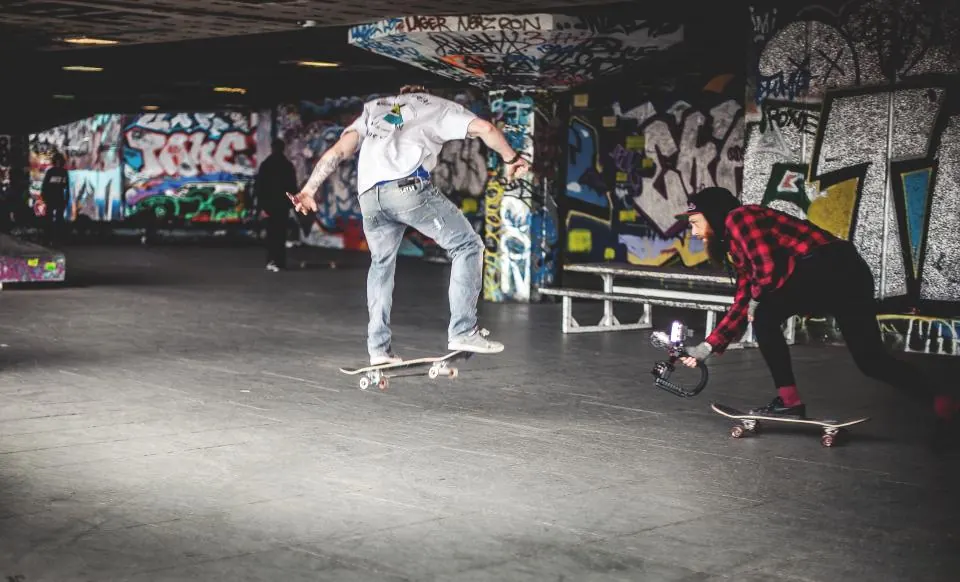
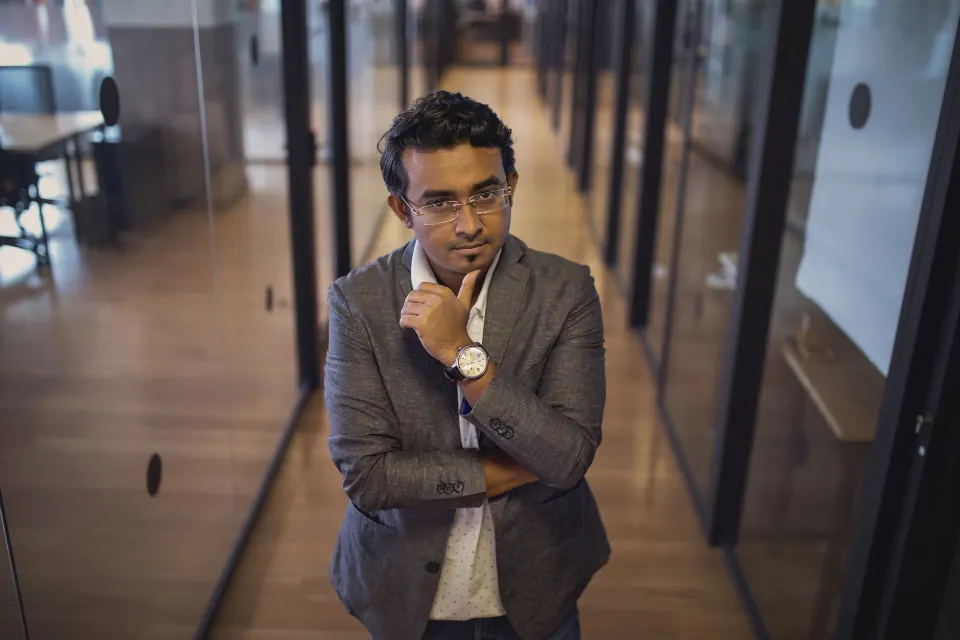
Portrait photography in Los Angeles has a built-in advantage: a city of distinct neighborhoods, workplaces and landscapes, each with its own look. An environmental portrait puts a person in the space that tells you something about them, a shop counter in Boyle Heights, a studio in the Arts District, a garage in the Valley.
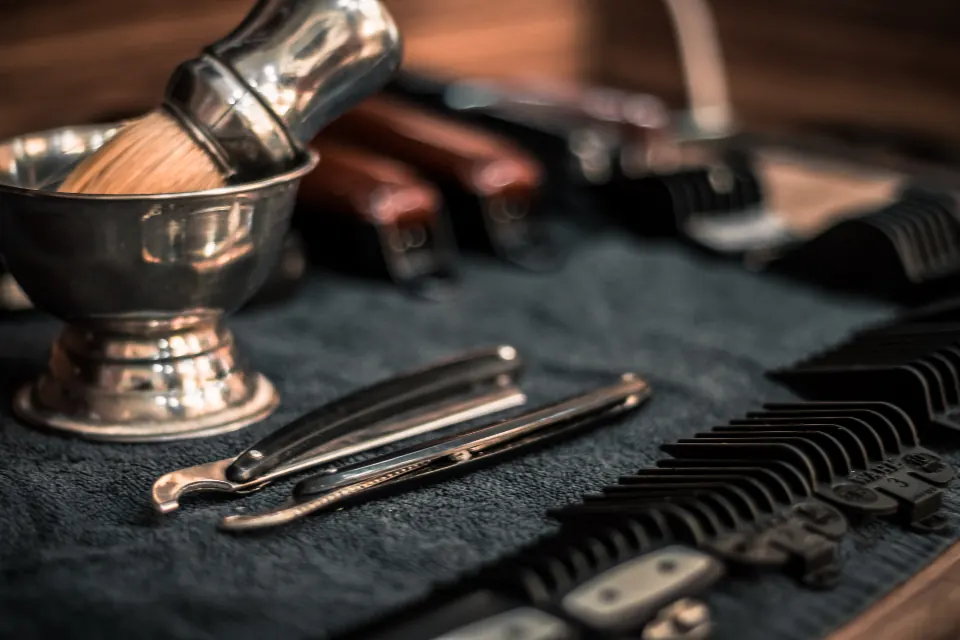
The place should do work. A plain wall can make a great portrait, but an environmental portrait adds information: tools, light, clutter, the view from a window. Ask your subject where they spend their time and where they feel most themselves. The answer is usually more interesting than any location you would pick.
Scout ahead when you can. Visit the space at the time you plan to shoot, note where the light comes from and what clutter needs moving.
Working with California light
Southern California sun is bright, hard and high for much of the day. Open shade, on the north side of a building, under a porch or inside a doorway, gives soft, flattering light on faces while keeping the environment visible. Expose for the face and let the background run a little hot.
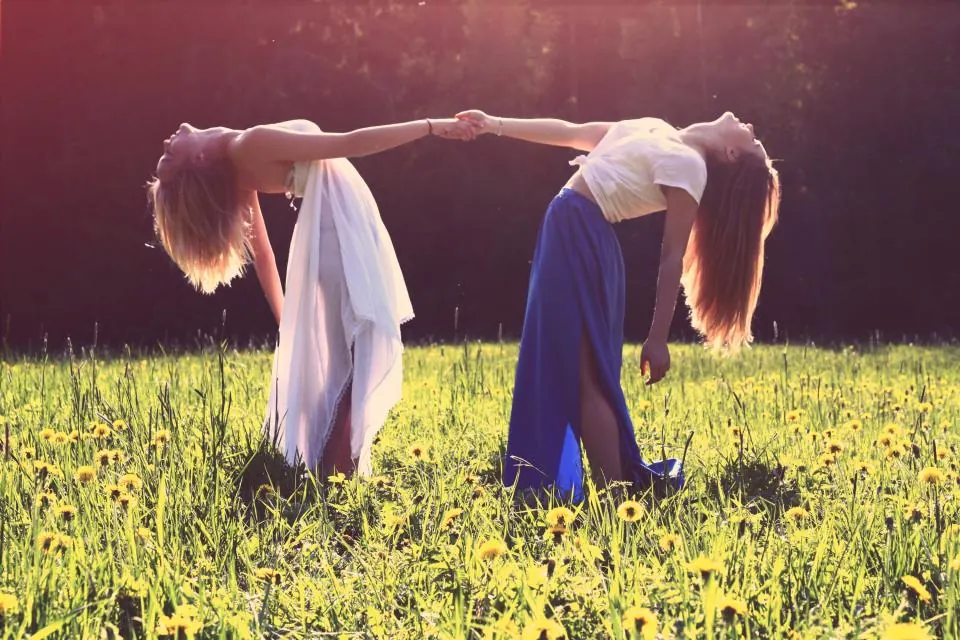
Golden hour is short and beautiful. On the west side, from Venice to Westwood, the late light comes in warm and low; inland, it can be hazy and soft. Plan the main frame for that window and use the rest of the day for interiors and details.
Indoors, a single strobe or LED through an umbrella balances a dark interior with a bright window. Keep the added light subtle so the space still looks like itself. A portrait that looks lit has stopped being environmental.
A portrait that looks lit has stopped being environmental.
Lenses and framing
Environmental portraits usually want a wider lens than a headshot. A 35mm puts the person in context without distorting their face, and a 28mm can work if you keep the subject away from the frame edges. A 50mm is a good middle ground for tighter spaces.
Think about where the person sits in the frame. Centered and close reads as a portrait with a backdrop; smaller and off-center reads as a person in a place. Both work. Decide which story you are telling before you start rearranging furniture.
Shoot a range. A wide frame that shows the whole space, a mid frame with the person working, a tighter frame of the face and a few detail frames of hands and tools. Together they give an editor options and give the subject a fuller picture of themselves.
Collaboration and trust
The best portraits come from collaboration. Explain what you are trying to make and why, ask what matters to the person and let them suggest ideas. People relax when they feel included, and relaxed people make better pictures. Good portrait photography in Los Angeles, or anywhere, is made with people rather than of them.
Spend time before you shoot. Have coffee, ask about their work and watch how they move in their space. The first frames are often stiff; the good ones tend to come twenty minutes in, once the camera has become part of the room.
Share the results. Send your subject a few favorite images and thank them for their time. Portrait photography in Los Angeles is a small world, and the trust you earn with one person often opens the next door.
Releases and practicalities
If the portrait might be published or used commercially, get a signed model release, and a property release for private spaces where needed. Explain plainly how the images will be used. Clear paperwork protects both of you and keeps the relationship good.
Shooting on public sidewalks for personal work is generally fine, but shoots that block foot traffic or use stands and lights may need a FilmLA permit. A small kit, a fast lens and a reflector keeps you mobile and out of trouble.