Angela Lindvall and the Natural-Light Fashion Portrait
An Angela Lindvall-type portrait for a culture magazine changes the shoot: less directing, more watching. A guide to natural light, simple sets and a light hand in post.
Why experienced models change the pace
Angela Lindvall is an American model whose career runs from the runway to magazine covers, and a portrait session with someone of that experience runs differently from a typical editorial. A seasoned model knows her angles, finds the light on her own and offers a dozen variations before you ask. The photographer's job shifts from coaching to editing in real time.
That changes how you plan. Fewer setups, more time in each one. A culture or fashion publication usually wants a portrait that feels like a person rather than a look, so give the session room to settle. The best frames often arrive in the second half of a setup, once the posing has run out and the conversation has started.
Talk before you shoot. Five minutes about the story, the clothes and how the pictures will run tells you more about the frames you need than any mood board.
Finding and shaping natural light
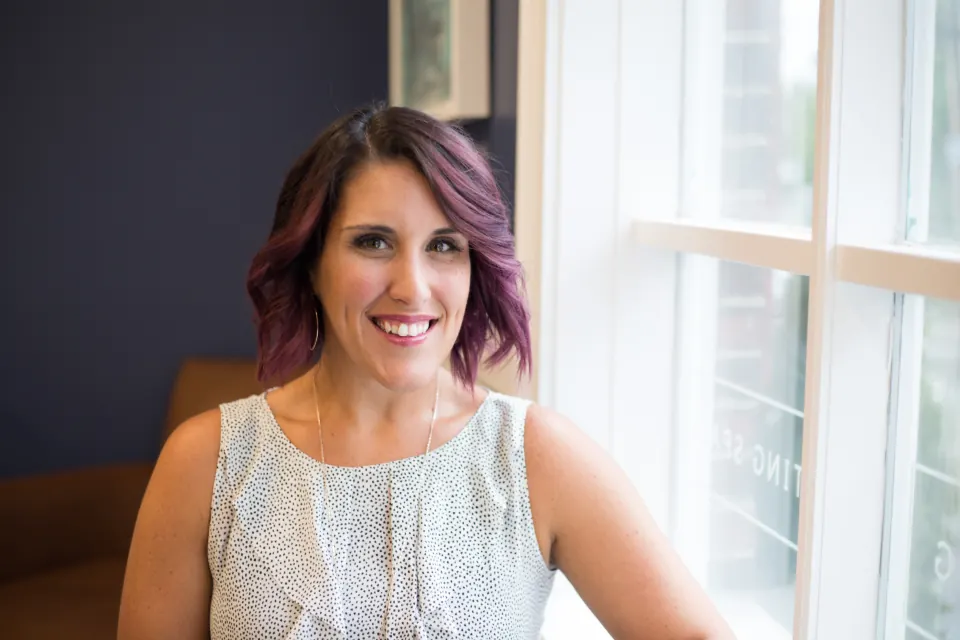
Natural light suits this kind of portrait because it moves slowly and lets the model work without waiting on strobes to recycle. A big north-facing window in a Silver Lake or Echo Park house gives soft, directional light most of the day. Hang a sheer curtain if the sun swings in, and pull a white foam core in close on the shadow side.
Outdoors, open shade is the workhorse. The shadow side of a building in the Arts District at mid-morning, with a sunlit wall bouncing light back in, gives a clean, slightly warm key. Golden hour on the bluffs above the beach in Santa Monica is lovely but short; scout it the day before and know exactly where you will stand.
Shoot wide open on a short telephoto, an 85mm at f/2 or a 105mm at f/2.8, and watch the eyes. Natural light rewards small moves: a quarter turn of the chin toward the window can change the whole frame.
The best frames arrive after the posing runs out and the conversation starts.
Keeping the set simple
Minimal sets let the person carry the picture. A plain wall, a wooden chair, a bed of linen sheets. If there is a prop, it should be something she would plausibly touch: a book, a coat, a cup of coffee. Anything that needs explaining is a distraction.
Wardrobe should be steamed and pinned before the model is on set, and a stylist should check the back of every garment between setups. In natural light, wrinkles read as texture and texture reads as mess. Hair and makeup kept light will hold up better under soft window light than a heavy look built for strobes.
Shoot some film alongside digital if the budget allows. A few rolls of Portra 400 on a medium-format camera slow everyone down in a useful way, and the scans often end up as the frames the editor picks.
A light hand in retouching
A publication that commissions an Angela Lindvall-type portrait is usually buying authenticity. Retouching should match that: clean up flyaway hair, remove a temporary blemish, balance color. Leave laugh lines, freckles and the texture of skin where they are.
Grade for consistency rather than drama. Pick one frame as the reference, set white balance and contrast there, and sync the rest. A gentle film-style curve with lifted blacks fits natural-light work better than heavy clarity or a strong color cast.
Send the editor a tight selection, 15 to 25 frames, with your favorites flagged. Experienced talent produces a lot of good pictures; the edit is where you show your point of view.
Planning the day around the light
Natural light sets the schedule, so build the call sheet backward from it. Put the window setup in the late morning, when the light is bright but soft, break for lunch through the harshest hours and save the outdoor frames for the last ninety minutes before sunset.
Keep a small strobe kit in the car anyway. If the marine layer rolls in early or a location falls through, a single light through a large diffuser can mimic window light convincingly. The point is not purity; it is getting the portrait the story needs before everyone goes home.