Alumni Athlete Portraits for a UCLA Magazine-Style Feature
A UCLA magazine feature on a famous alum, like Dave Roberts, a UCLA alum who became Dodgers manager, pairs a sports portrait with the campus that shaped the athlete.
The alumni athlete portrait
University magazines love a homecoming story. When a UCLA magazine-style feature profiles a famous alum, such as Dave Roberts, a UCLA alum who became Dodgers manager, the photography has to connect who the person is now with where they started. That usually means bringing them back to campus.
The challenge is time. A well-known sports figure may have one hour between commitments, and the campus in Westwood is busy and spread out. Plan two or three locations close together and walk them in advance with the university's communications office, which will also handle permissions.
Talk with the magazine's editor about the angle before choosing locations. A story about the alum's playing days points toward the ballpark and the athletic facilities, while a story about leadership or giving back might fit better among classrooms, libraries and student spaces. The locations should support the words on the page.
Campus locations
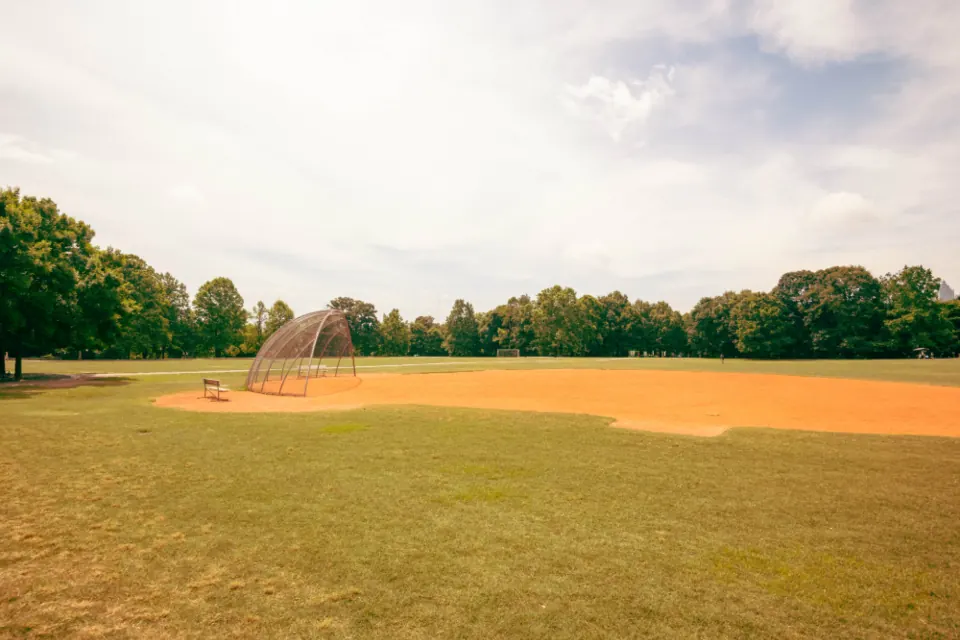
For an athlete, the obvious backdrops are the venues. Jackie Robinson Stadium, UCLA's baseball park, has a clean, open feel, with dugouts, bullpens and outfield fences that read as baseball without much styling. Pauley Pavilion offers a dramatic interior if you can get the arena lights on and the seats empty.
Away from sport, Royce Hall's brick facade and arches, the Janss Steps and the sculpture garden give a sense of the university itself. A portrait on the Janss Steps with Royce Hall behind is recognizable to anyone who has studied there, and that recognition is what alumni readers want.
Check the academic calendar. Summer and winter break mean empty walkways; finals week means students everywhere.
A homecoming portrait works when the campus looks as familiar to the reader as it does to the person standing in it.
Lighting on location
Westwood gets bright, high sun from late morning, which is unflattering on faces. Work early or late, or find open shade under the arcades of Royce Hall. When you must shoot in sun, put it behind the subject and use a battery strobe with a 3-foot octabox at about one stop under ambient as fill.
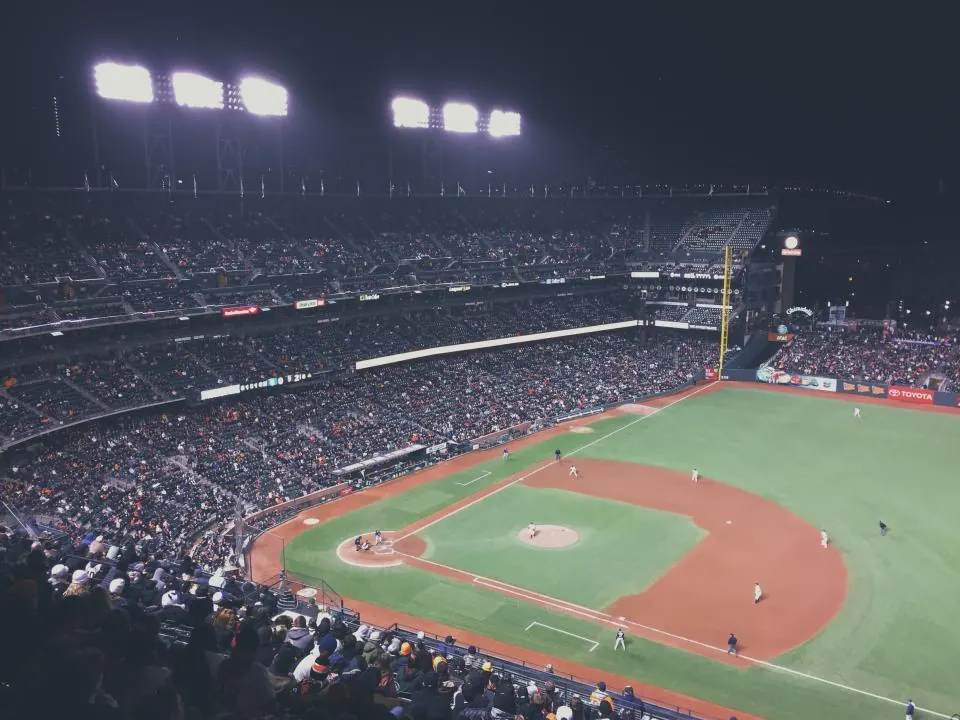
In a ballpark, a long lens like a 70-200mm at f/2.8 compresses the stands or the outfield into a soft wall of color, while a 35mm environmental frame from the dugout step shows the whole place. Shoot both.
Bring a backup plan for June gloom or an unexpectedly overcast morning. Flat gray light is soft and flattering on faces, so lean into it with longer lenses and simple compositions instead of fighting it with extra strobes.
Gear and crew on campus
Campus shoots involve walking between locations, often on stairs and across lawns, so pack a kit that moves. Two bodies, a 35mm, an 85mm and a 70-200mm, two battery strobes, a collapsible octabox, a 5-in-1 reflector and sandbags fit on one cart. Keep a spare set of batteries in a pocket rather than at the last location.
A crew of three is usually right: the photographer, an assistant to handle light and a digital tech or second assistant who can manage the laptop and the subject's schedule. The university's communications staff will often send a minder; brief them on the plan so they can help clear paths and keep onlookers out of frame.
Leave the venues as you found them. Pauley Pavilion's floor, the stadium dugouts and the lawns around the Janss Steps are maintained daily, and a careless stand or cart can leave marks. Use rubber feet and floor mats inside the arena. Good behavior on campus keeps doors open for the next photographer working on a UCLA magazine story.
Working with a public figure
Respect the schedule. Arrive with lights pre-set on a stand-in, start with the most important frame, and keep a running count of time. Public figures appreciate a crew that is fast and calm.
Conversation helps here too. Ask about their time on campus, a favorite place, a teammate. Those memories show in the face. For a UCLA magazine-style edit, combine one strong cover-ready portrait with campus scenes and a candid moment, so the story reads as both a sports profile and a return home.