The Vintage Eyewear Campaign: Color, Reflections and Film in LA
A vintage eyewear campaign lives or dies on small things: a reflection in a lens, the color of acetate against skin, a location that feels like another decade. LA has all three.
What makes a vintage eyewear campaign different
A vintage eyewear campaign, for a collection of retro-inspired frames such as the colorful frames associated with the Barcelona eyewear brand Etnia Barcelona, sits between fashion and product photography. The frames are small, reflective and colorful, and they sit on the most expressive part of the body. Every image has to show the frame clearly while letting the face carry the mood.
Vintage-inspired collections bring an extra layer: period reference. Round panto shapes, keyhole bridges, thick cat-eye fronts and tortoiseshell patterns all point to particular decades. The photography should nod to those eras through location, styling and color without turning the shoot into a costume party.
Controlling reflections in lenses
Lenses are mirrors. Any light, window, reflector or crew member in front of the model can appear in them. Start by deciding whether the campaign wants clear lenses, which show eyes, or reflections, which can add story. Both are valid; accidental reflections are not.
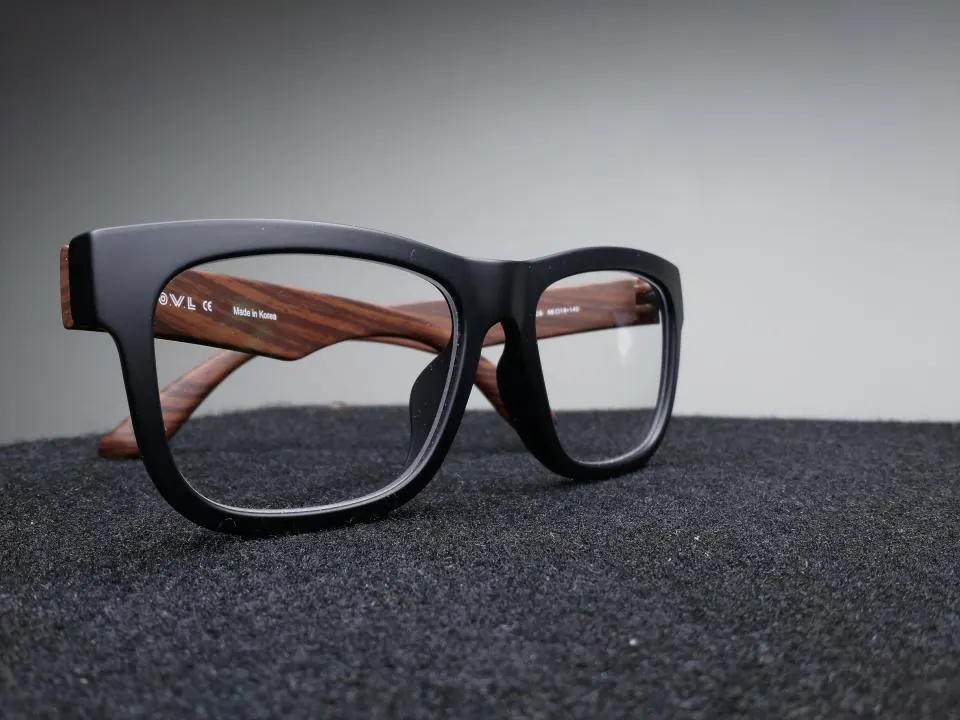
For clear lenses, light from high and to the side, around 45 degrees, so reflections bounce away from the camera. Have the model tilt the chin down slightly, which angles the lenses toward the floor. Large black flags and black clothing on the crew remove stray reflections. On optical frames shot for the campaign, many productions use demo lenses or remove lenses entirely; check with the client first, since some want the real lens visible.
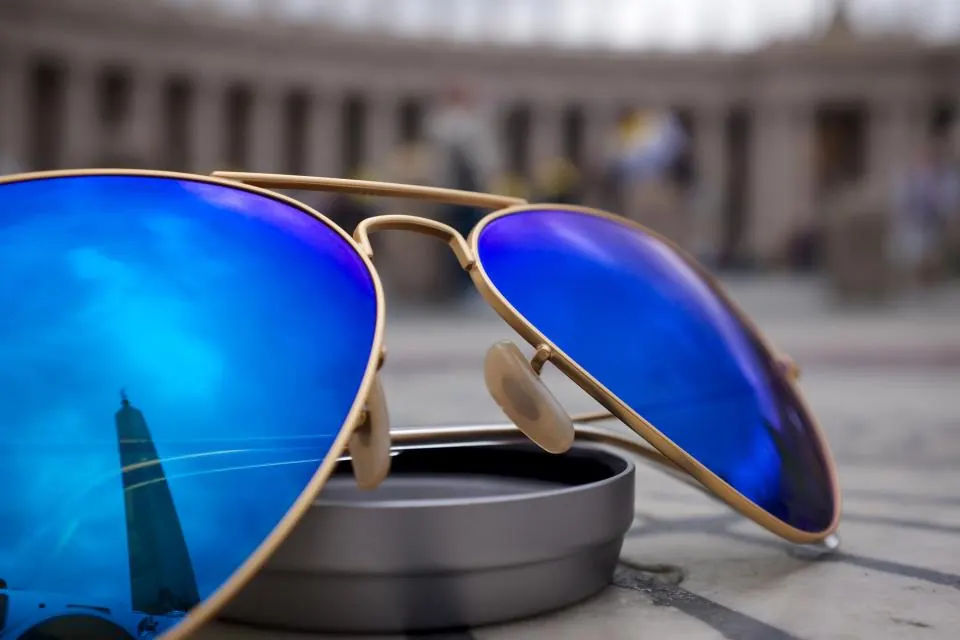
For deliberate reflections, choose what the lens shows. A palm-lined street, a neon sign or a pool can be framed in the lens with a long lens and careful positioning, becoming a small picture within the picture. Shoot a few frames with and without to give the edit options.
In eyewear, the lens always shows something. The only question is whether you chose it.
Color: acetate, skin and backdrop
Colorful acetate frames need backgrounds that support rather than compete. Pick one dominant color per setup and build around a complementary or tonal pairing: a mint frame against coral stucco, a honey tortoiseshell against deep teal, a transparent pink against cream. Bring paint chips or physical swatches to the scout so locations can be judged against the actual frames.
Skin tone matters as much as backdrop. Warm tortoiseshell flatters warm skin, while bright transparent colors can look striking on cooler tones. Cast with the collection in hand, and try frames on talent at the fitting rather than the shoot.
A vintage eyewear campaign also benefits from a consistent hair and makeup direction. Period-appropriate brows, a soft matte skin finish and simple hair that keeps the temples clear all help the frames sit cleanly on the face. Avoid heavy fringes and big earrings that compete with temple details, and keep lip color in the same family as the backdrop rather than the frame.
Period locations and film looks in LA
Los Angeles is unusually good at looking like other decades. Mid-century motels along Route 66 in Pasadena, Googie coffee shops, the Art Deco lobbies on Downtown's Broadway, Silver Lake modernist houses and old Westwood movie theaters all suggest an era with minimal dressing. Many are bookable through location services and need a FilmLA permit on public streets.
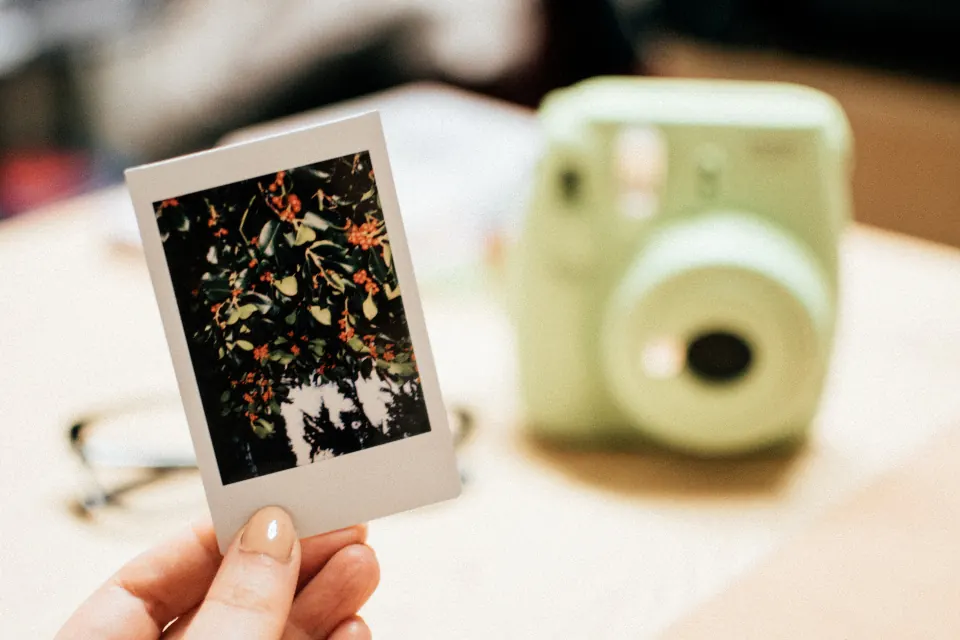
Film suits the subject. Portra 400 gives soft, warm skin and gentle pastels that flatter tortoiseshell; Ektachrome adds punchier, cooler color. Medium format, such as a Pentax 67 or Mamiya 7, gives a smooth falloff behind a sharp frame. On digital, a 1970s or 1980s grade with warm highlights, softened contrast and fine grain reads as vintage without becoming a filter. Shoot a clean digital product set alongside, since the client will still need sharp, color-accurate frames for retail.
Whatever the medium, check every frame for focus on the front of the eyewear rather than the eyes. At f/2.8 on a portrait lens, the gap between the two is enough to soften the product, so use a tighter aperture or careful focus point selection when the frame is the hero.