Kenneth Cole Photography: Clean, Urban Footwear and Accessories
Kenneth Cole photography, as a style, means city-sharp product images: shoes, bags and watches shown with graphic light and editorial restraint rather than heritage props or sporty energy.
What the urban fashion look asks for
Kenneth Cole photography is shorthand for a particular register of fashion product work. Kenneth Cole is a New York fashion label, and the visual language that suits a brand like that is urban, clean and a little wry: sleek dress shoes, Chelsea boots, sneakers, bags, belts and watches photographed as design objects, often with a city sensibility rather than a countryside or locker-room one.
Compared with heritage shoe photography, the mood is sharper and less nostalgic. Instead of walnut boards and horsehair brushes, think concrete, glass, steel, painted color planes and crisp shadows. The product is the hero, and everything around it is reduced to geometry.
That restraint is also practical. A clean, graphic product image crops well for a web grid, a banner, a social post and a printed lookbook alike. Busy sets have to be reshot for every format; a shoe on a color plane with a sharp shadow can be resized and recropped all season without losing its idea.
Graphic light and hard shadow
Where heritage leather wants a soft wraparound highlight, urban fashion product work often benefits from a single hard source. A bare strobe with a standard reflector, or a fresnel spot placed far from the set, throws a defined shadow that becomes part of the composition. Move the light until the shadow lands somewhere deliberate: across a seamless, up a wall, or stretched long behind a sneaker like a city afternoon.
Add a small fill card on the shadow side so the product does not fall into pure black, and use a gobo or a cut piece of foam core to cast window-blind or architectural patterns. These patterns suggest the city without putting the city in the frame. Colored paper or painted foam core as the background plane, in a muted slate, oxblood or putty, adds a fashion note without introducing texture that fights the product.
Watch metal hardware carefully. Buckles, watch cases and bag zippers will pick up every light and stand in the room. Black flags around the set and a polarizing filter on the lens help control the reflections, and a little dulling spray on a test sample shows where the hot spots will be.
One strong light and one clear shadow can carry a whole city into a frame with a single shoe in it.
Shoes, bags and accessories as one system
A fashion brand catalog rarely stops at footwear. When a shoot covers shoes, belts, wallets, bags and watches together, set up a repeatable system: one camera height and focal length per category, one background color family, and the same key light direction throughout. A 90mm or 100mm lens at a slightly raised angle works across most of these objects without distortion.
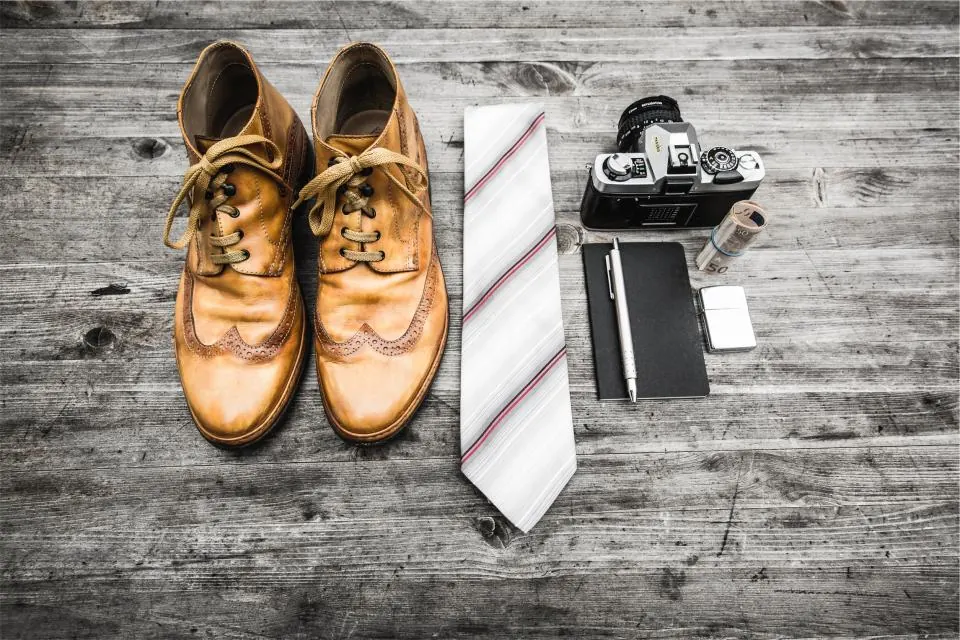
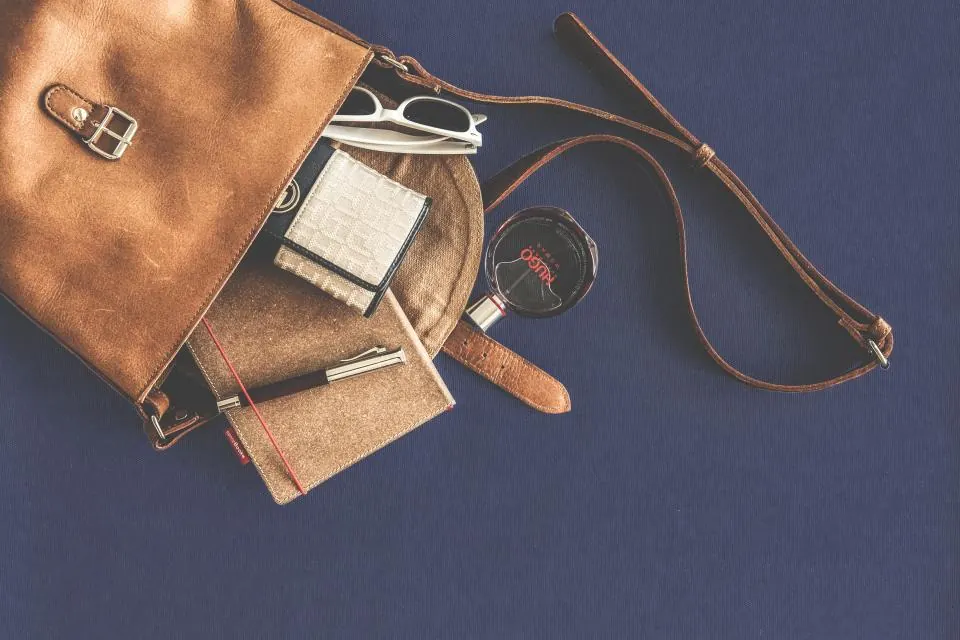
Top-down flat lays are useful for small leather goods. A boom arm or a copy stand keeps the camera square to the table, and a grid drawn lightly on the seamless keeps spacing consistent between sets. Group products by color story so a cognac belt, wallet and loafer read as a family.
Shoot hero angles first, then the full e-commerce set of profile, top, back and sole. Keeping everything tethered into one Capture One session lets an art director check consistency in real time instead of discovering a mismatch in the edit.
Bringing the city in without losing the product
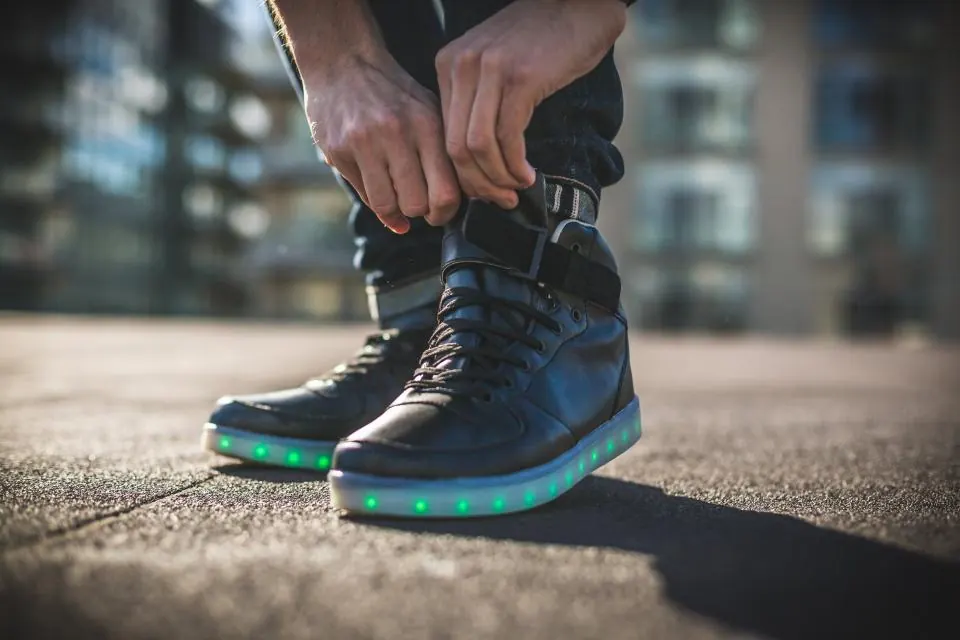
Some product images move outside. In Los Angeles, Downtown's Bunker Hill plazas, the polished stone around the Walt Disney Concert Hall and the concrete of the Arts District bridges give hard surfaces and strong shadows that suit an urban fashion label. A shoe set on a granite step at golden hour can do more than an elaborate studio build.
Keep the composition tight and the background simple, with a long lens and a wide aperture to soften distractions. On location, the same rule from the studio applies: one strong light, one clear shadow, and nothing else competing with the product.
Good Kenneth Cole photography in this sense feels edited before it is ever retouched. Restraint at the camera saves hours in post.