Making a Ride Film: Bike and Transit Commuting in Los Angeles
A short ride film about getting across LA by bike and train is a small project with big lessons: how to shoot moving subjects, mix stills and motion, and cut a story from a commute.
Why a commute makes a good ride film
A ride film doesn't need a mountain pass or a race. Some of the best short motion projects in Los Angeles follow an ordinary commute: a bike ride to a Metro station, a train across the city, and the last mile on two wheels again. The structure is built in, with a beginning, a middle and an arrival, and the light changes naturally from morning to evening.
Pick a route with visual variety. A ride from Highland Park along the Arroyo, onto the Metro A Line at Highland Park station, into Union Station and out to the Arts District on the bike gives you hills, rail platforms, a grand interior and gritty streets in under an hour.
Decide early whether the film is about one person or about the system. One rider gives you a character to follow; a system film can jump between many riders and treat the trains and lanes as the protagonist.
Shooting motion on a bike
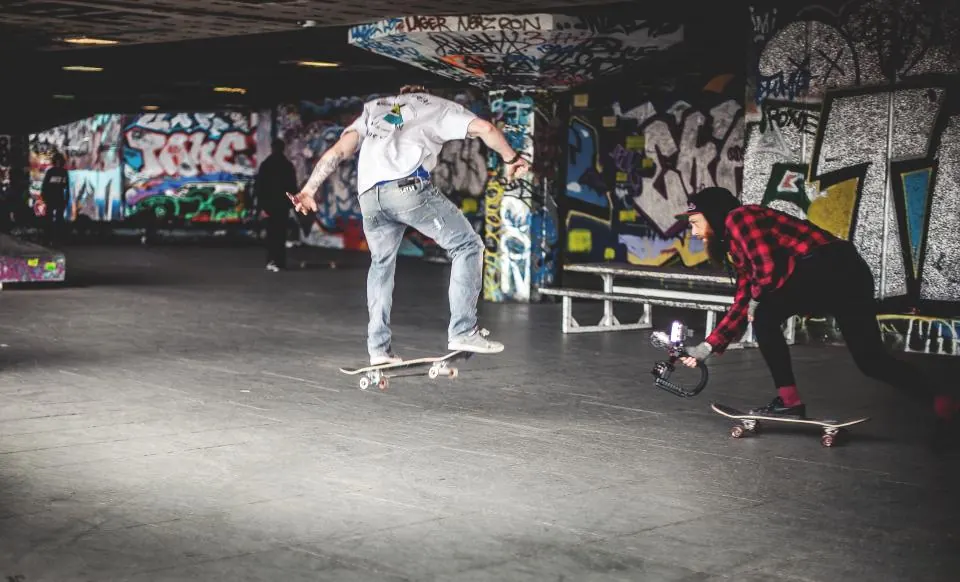
For follow shots, a gimbal on a second bike or an electric scooter is the simplest rig. Keep the shutter at roughly double the frame rate, 1/50s for 24fps, and use a variable ND filter to hold it in bright sun. A wide lens around 16 to 24mm hides small bumps and keeps the rider and the street in the frame together.
Mount a small action camera low on the fork or seat post for a few inserts, but don't lean on it. Too many POV shots make a commute feel like a sports clip. Locked-off tripod shots of the rider passing through frame, in an underpass on the LA River path or across a bridge like the Sixth Street Viaduct, give the edit room to breathe.
On trains and platforms, keep the kit small and be considerate of other riders. A mirrorless body, one prime and no tripod is usually the most practical way to work in a station.
A commute already has a beginning, a middle and an arrival. The film's job is just to notice them.
Permits, safety and riders
Before shooting on Metro property, check the agency's current filming rules. Small handheld documentary work is treated differently from a crew with lights and stands, and stations, platforms and trains each have their own conditions. If the project needs a full crew in a station, a permit is part of the budget, not an option.
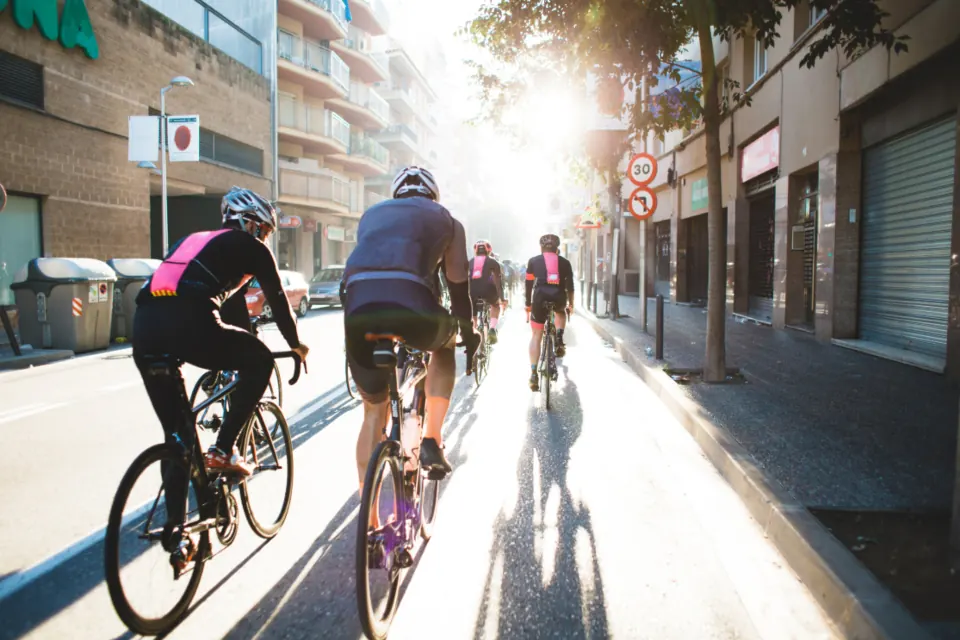
On the street, safety comes first. Use bike lanes and quiet residential streets for tracking shots, keep the follow vehicle behind or beside the rider rather than in traffic, and never ask a rider to run a light for a better take. A spotter with a radio at busy intersections lets the camera operator watch the frame instead of the road.
Cast a real commuter if you can. Someone who makes the trip every day knows where to lift the bike onto the train, which door lines up with the station stairs and when the light hits the platform. Those small, practiced movements make a ride film feel authentic in a way a model on a borrowed bike rarely can.
Stills and motion together
The strongest projects of this kind treat stills as part of the film, not an afterthought. Shoot frames between takes: a portrait of the rider waiting for the doors, a detail of a bike hook in the train car, the low sun through the Union Station windows. These can appear in the edit as held frames and also run as a photo story on their own.
Matching color between the two makes them feel like one piece. Shoot video in a flat log profile and build a grade that sits close to your still edit, or shoot stills on Portra 400 and grade the footage toward its warm, soft palette.
Panning stills at 1/30s with the rider in focus and the city streaked behind them are a simple way to show speed in a single frame.
Sound and the edit
Commuting is noisy, and that's useful. Record ambient sound separately: freewheel ticks, platform announcements, the doors chime, traffic on a wide boulevard. Layered under the picture, it makes a two-minute film feel lived in, even with music on top.
Cut to the rhythm of the ride. Short, quick shots while moving, longer holds when the rider stops. Keep the finished ride film short, two to four minutes, and end on arrival rather than a title card. Viewers should feel they made the trip too.