Downtown Los Angeles Photography: An Editorial Walk for Print
A walking editorial through downtown Los Angeles photography spots, from the light between Bunker Hill towers to Broadway's old theater signs, built for an independent print magazine.
Planning the walk
Downtown Los Angeles photography rewards a route rather than a single location. For an indie magazine story, a walk that starts on Bunker Hill, drops down the Angels Flight hill to Grand Central Market, runs south along Broadway and finishes in the Arts District covers glass towers, historic theaters, garment-district side streets and warehouse walls in about three miles.
Scout it twice, once in the morning and once in the late afternoon. Downtown's grid runs at an angle to true north, so light falls into some streets and not others in ways that surprise people who know the area only by car. Note where the sun clears the towers and for how long.
Light between towers
The financial district is a light machine. Mirrored facades on Flower and Hope streets bounce hard sun into shaded plazas, creating patches of reflected light that work like a giant silver reflector. Put your subject in one and expose for the face; the background in shade drops dark and clean.
Late afternoon brings narrow shafts of direct light down east-west streets. They last only minutes, so arrive early, frame it, and wait for a pedestrian or your subject to walk into the beam. A 50mm and a polarizer to manage glare off glass is all you need.
Downtown's towers turn the afternoon sun into a dozen reflectors. You just have to find which one lands on your subject.
Alleys and Broadway signage
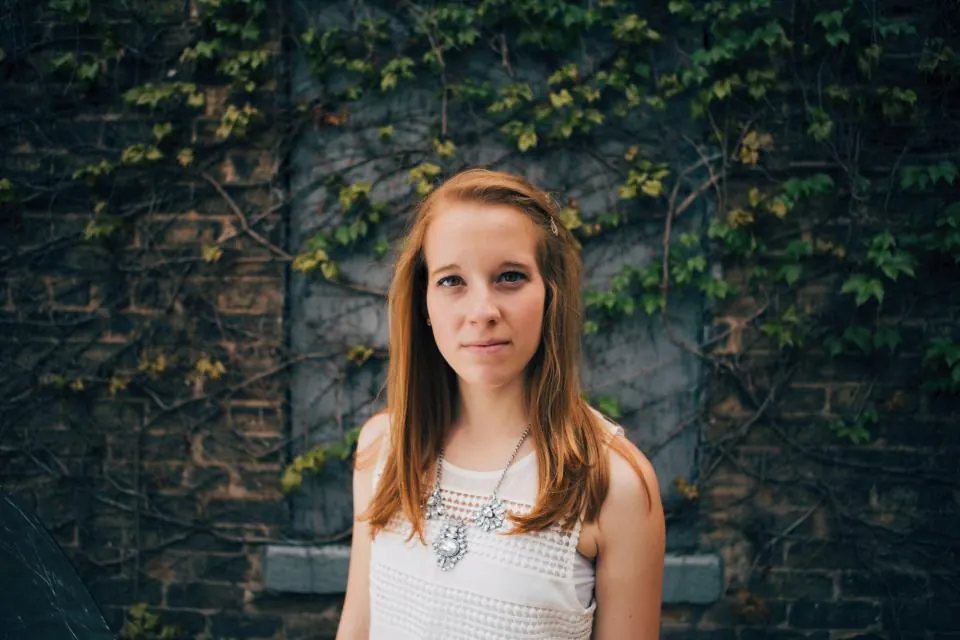
The alleys behind Broadway and Spring Street are open shade most of the day, which makes them soft, even portrait locations with plenty of texture: fire escapes, painted brick, service doors. Keep an eye on deliveries and don't block access; a short, quiet setup works better than a full crew.
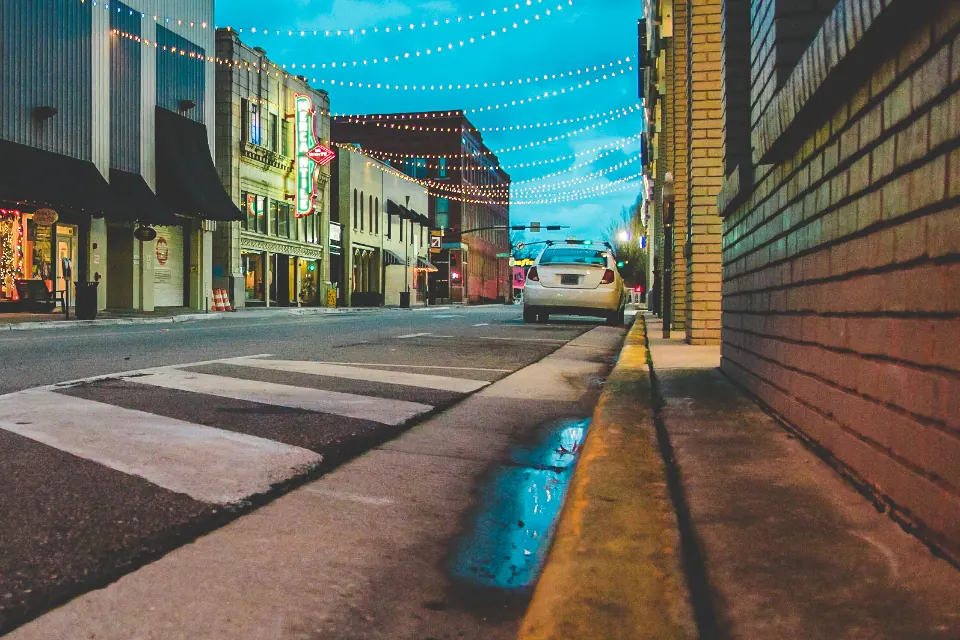
Broadway's historic theater district has some of the best vertical signage in the city. The marquees and blade signs of the Orpheum, the Palace and the Los Angeles Theatre read well from across the street with a short telephoto. At blue hour, when the neon and bulbs balance with the sky, shoot at ISO 1600 around 1/60s and let the signs carry the frame.
Layering helps. Shoot through a bus window, past a vendor's umbrella, or under a sign to give the picture depth and place.
Gear for a walking shoot
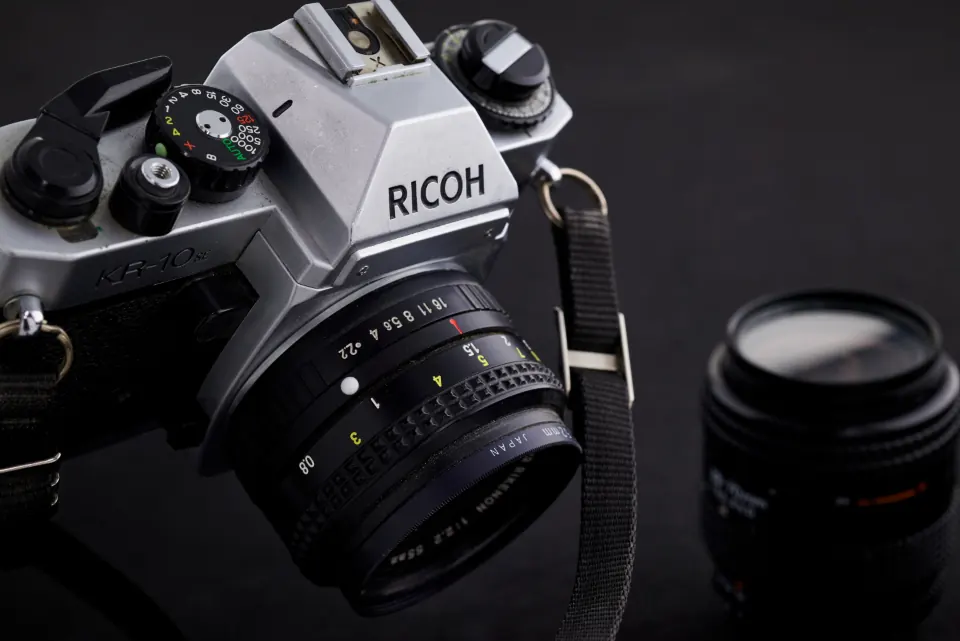
A walking editorial punishes heavy kits. One body, a 35mm and an 85mm, a polarizer, spare batteries and cards fit in a small sling bag and keep you moving. If the story calls for flash, a single speedlight with a small diffuser is enough to lift a face in a deep alley without drawing a crowd.
Wear shoes you can walk six miles in, carry water and plan a midday break somewhere central like Grand Central Market, where the crew can regroup and review frames on a laptop. The light between roughly 11am and 2pm is harsh in the open, so that break doubles as a natural pause before the afternoon shafts start.
Respect the people who live and work downtown. Ask before photographing anyone up close, especially on Skid Row's edges and in the garment district, and move on if someone says no. Downtown Los Angeles photography that treats residents as scenery tends to read that way in print, and editors notice.
Shooting for an indie magazine
An independent print title usually wants a sequence, not a set of singles. Think in spreads: a wide establishing image, a portrait, two details that pair on a page, and a closing frame. Shoot verticals for single pages and horizontals that can cross the gutter without cutting through a face.
Downtown Los Angeles photography can slide into cliché quickly, so look for the in-between moments: a security guard's lunch break, a hand on a market counter, shadows across a parking structure. Those are the frames editors remember. Carry permits where a shoot needs one, and keep the kit light enough to walk the whole route.