Menswear Editorial for a Nylon Mens Magazine-Style Title
A menswear story for a style title in the Nylon mens magazine mold lives or dies on casting, styling and attitude. Here's how that kind of portrait shoot is built in Los Angeles.
Casting comes first
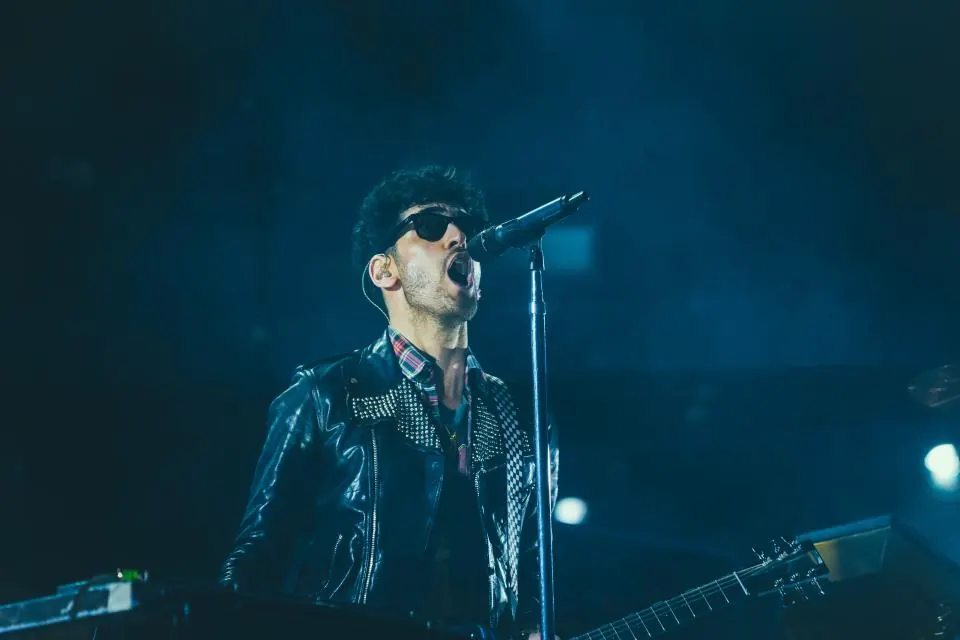
A menswear editorial for a style title in the Nylon mens magazine tradition is less about clothes on a body and more about a person wearing them like they own them. That starts with casting. Agencies in Los Angeles can send polished comp cards, but street casting, musicians, skaters and friends of friends often bring the specific energy a youth-minded style magazine wants.
Meet or video-call the talent before the shoot. Ten minutes of conversation tells you how they move, whether they freeze in front of a lens, and which angles suit them. It also gives you something to talk about on set, which matters more than any lighting setup.
Styling with a point of view
Work with the stylist on a story, not a rack. A brief like late-night diner regular, or first apartment in Echo Park, gives every look a reason to exist and helps the talent know how to carry it. Three or four distinct looks are plenty for a six-page story.
Watch fit through the viewfinder. Menswear fails on camera when shoulders slump or trousers bunch, so keep the stylist at your shoulder with clips and a steamer and check each frame on a tethered screen. Shoes and hands get cropped more than you expect; decide early whether they're in the story.
Grooming should look like nothing happened. Matte skin, tidy brows, hair that moves. Heavy retouching reads as dated in a men's style magazine.
You can't direct attitude. You can only give someone something to do and be ready when it shows up.
Locations and light
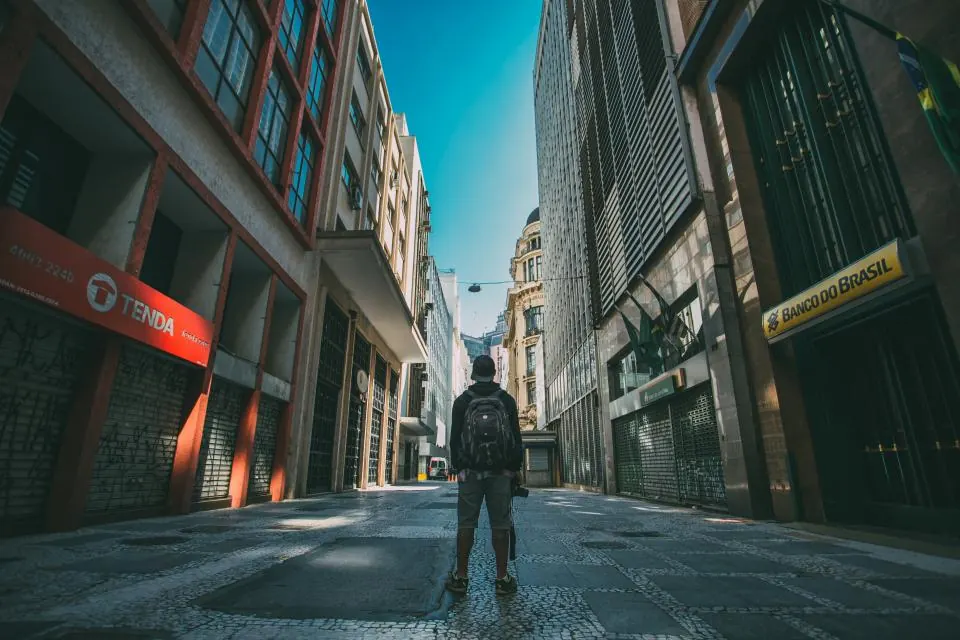
Los Angeles gives menswear a ready-made backdrop. A motel courtyard in the Valley, a laundromat in Silver Lake, the concrete banks of the LA River or the stairways around Echo Park all suggest a life beyond the clothes. Pick one or two locations close together so the day isn't spent driving.
A single hard light often suits menswear better than a big soft source. A bare strobe or a small reflector dish at 45 degrees gives crisp shadows and texture on fabric; fill with a white bounce card or let the shadows go. Outdoors, put the sun behind the subject and fill the face with a silver reflector for a clean, graphic look.
Camera choices for menswear
Lens choice shapes how a menswear story feels. A 35mm close to the subject puts the reader in the room and gives energy to full-length looks; an 85mm from farther back flattens perspective and makes the clothes look sharp and composed. Many photographers shoot the full looks on a 50mm at chest height so legs don't stretch or shrink.
Keep the color restrained. A men's style magazine spread with a consistent palette, warm and slightly faded, or crisp and neutral, reads as one story even across different locations. Build a preset early in the day from a test frame and apply it on the tethered screen so the stylist and editor see the final look as you shoot.
Film is still a strong option for this kind of work. A few rolls of Portra 400 shot alongside digital give the editor a different texture for the opening spread, and talent often relax when they hear a film camera's shutter, which feels less like a production and more like a friend taking a picture.
Getting attitude on camera
Attitude is the hardest thing to direct and the easiest to kill. Avoid asking for it outright. Give physical tasks instead: lean on the car, light a match, walk toward me and stop when I say, look past me at the street. Movement creates natural expressions between poses, and those in-between frames are usually the selects.
Play music the talent picked. Shoot continuous bursts during transitions. Show them a strong frame on the screen early, because confidence spreads. For a Nylon mens magazine-style story, the edit should feel like a short film of one person's day, sequenced so each spread shows a new look and a new mood.