The Florsheim Spring 2018 Lookbook Brief, Shot On Model
A Florsheim Spring 2018-type brief puts heritage shoes on real feet in real streets. The challenge is keeping thirty looks across three locations reading as one season.
From product table to pavement
A seasonal lookbook for a heritage men's shoe brand, the kind of brief a title like Florsheim Spring 2018 suggests, works differently from catalog still life. The shoes still have to be legible, but now they sit at the bottom of an outfit, on a model who is walking, leaning and crossing streets. The job is to make a cap toe or a suede chukka the quiet center of a menswear picture.
Spring collections usually lean lighter: tan and sand suedes, unlined loafers, two-tone details, softer tailoring with cropped trousers. That palette gives you room to work with brighter backgrounds and open shade, and it pushes the styling toward cuffed hems and visible socks or no-show socks, both of which put the shoe in plain view.
Framing shoes on a moving model
Most lookbook frames fall into three sizes: full length, a knee-down crop and a tight detail. Plan all three for every look before the day starts. Full length sells the outfit, knee-down sells the shoe in context, and the detail frame catches the welt or the tassel at the angle a customer would see it while trying it on.
Get low. A camera at shin height with a 50mm or 85mm lens makes shoes look substantial without the distortion a wide lens adds to feet. Ask the model to walk the same six steps repeatedly and shoot in bursts at 1/500s, picking the frame where the front foot lands flat with the toe slightly turned toward the lens. Mid-stride frames with a raised heel show the sole and heel stack, which is useful for one or two looks per set.
Stylists should carry tape, a lint roller and a suede brush. Trouser breaks matter more here than in any other menswear shoot, because half an inch of fabric can hide the most interesting part of the shoe.
Half an inch of trouser can hide the best part of a shoe, so the hem gets checked before the shutter does.
City locations that read as spring
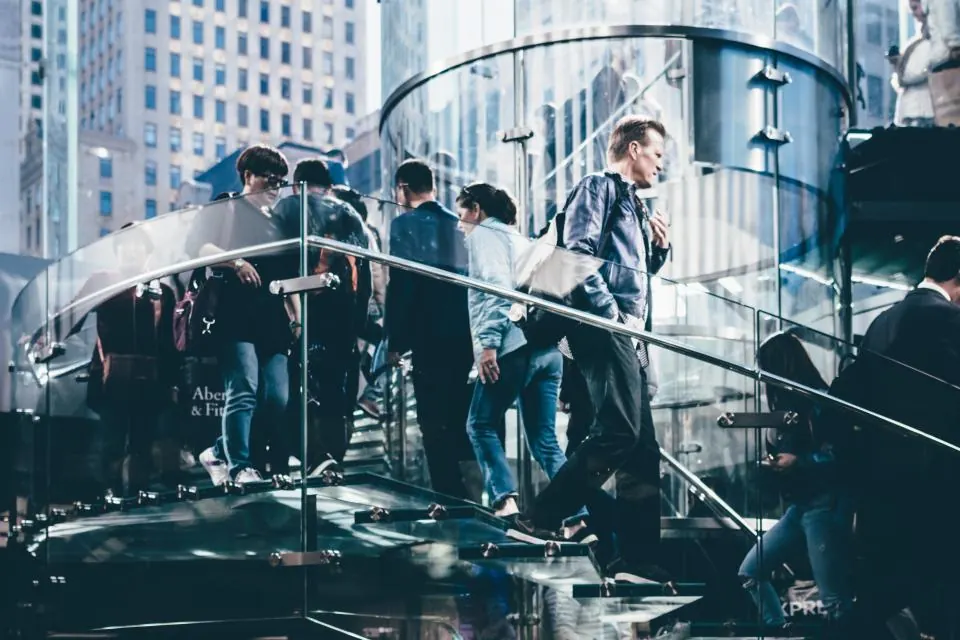
Los Angeles gives you a lot of spring-friendly architecture within one permit zone. Downtown's Broadway has ornate theater facades and terrazzo entrances; the Arts District has painted brick, loading docks and long clean sidewalks; Silver Lake and Los Feliz offer stairways, stucco walls and bungalow porches in pale colors that flatter tan leather.
Pick locations for their floors as much as their walls. Old tile, polished concrete and sun-faded crosswalk paint all add texture under the shoe. Scout at the time you plan to shoot, because a pretty street can sit in hard shade by mid-morning, and buildings downtown throw long, shifting shadows across the pavement.
Permits matter more than people expect. FilmLA handles most on-street permits in the city, and even a small crew with a model, a stylist and a reflector can draw attention on a busy block. Build in time for the paperwork, and plan a backup interior location in case a street is closed or the light turns flat.
Keeping one grade across the whole season
The biggest risk on a multi-location lookbook is drift: the Broadway frames come out warm, the Arts District frames go cyan, and the season stops looking like a season. Shoot a color checker at every setup, keep white balance fixed rather than on auto, and expose consistently for skin and leather rather than for the sky.
Build a single base grade in Capture One or Lightroom on a hero frame, then apply it across every look and only adjust exposure and white balance per scene. For a Florsheim Spring 2018 kind of mood, a gentle lift in the shadows, slightly muted greens and true-to-life browns keep the shoes honest. Check the final set as a contact sheet; any frame that jumps out of the grid needs another pass.
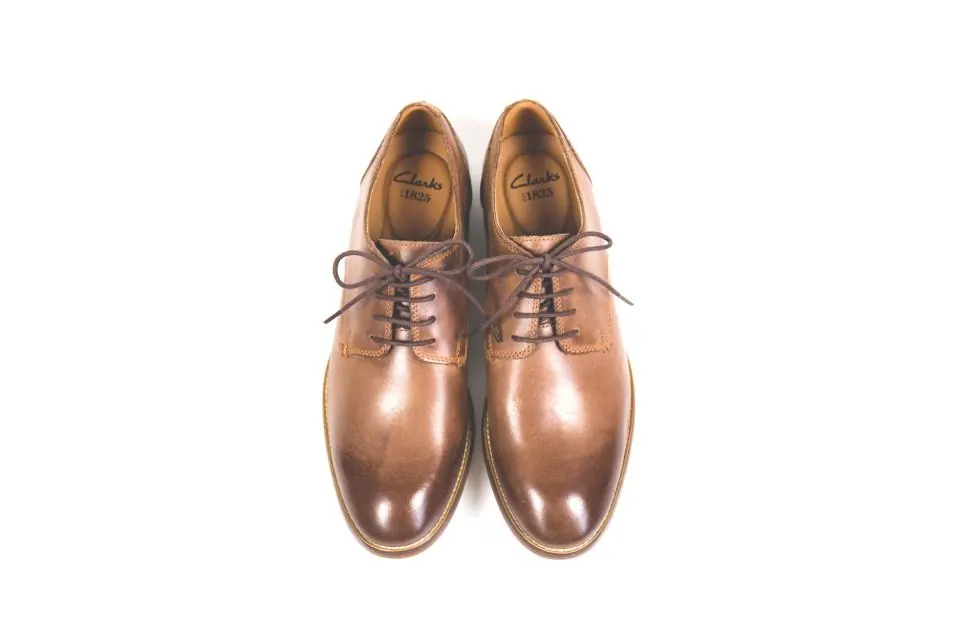
Finally, give the retoucher a reference product shot for every style so suede nap and leather tone match what arrives in the box.